
Close Menu
Ikenga Online
    What's Hot

    APC can’t jail Kanu and expect S’East support in 2027 — PDP chieftain

    March 7, 2026

    RULAAC demands release of soldier detained over viral video on frontline conditions

    March 7, 2026

    Donald Trump, like Adolf Hitler, walks on both legs by Owei Lakemfa 

    March 6, 2026
    Facebook X (Twitter) Instagram
    Ikenga Online
    Facebook X (Twitter) Instagram YouTube
    Donate
    • Home
      • Igboezue
      • Hall of Fame
      • Hall of Shame
    • News
      1. Other States
      2. National
      3. International
      4. Interviews
      5. Personalities
      6. View All

      Coroner gives LASUTH 14 days to account for unidentified body in Pelumi Onifade death probe

      March 6, 2026

      Kaduna victims’ coalition demands probe of alleged abuses under El-Rufai

      February 16, 2026

      Dadiyata: Kperogi raises questions as El-Rufai, Ganduje trade allegations

      February 15, 2026

      Kole Shettima, others to be turbaned by Machina Emirate

      January 26, 2026

      APC can’t jail Kanu and expect S’East support in 2027 — PDP chieftain

      March 7, 2026

      RULAAC demands release of soldier detained over viral video on frontline conditions

      March 7, 2026

      Ugwuanyi to Greece, Chioma Ohakim to Poland as Tinubu approves 65 ambassadorial postings

      March 6, 2026

      Medical fellowship not equivalent to PhD, FG clarifies

      March 6, 2026

      Okonjo-Iweala canvasses fresh ideas to revitalise WTO ahead of MC14

      March 6, 2026

      A Critical review of Reparations: History, Struggle, Politics and Law, by Chido Onumah 

      March 4, 2026

      Iran strikes: US issues security alert to citizens in Nigeria, worldwide

      March 2, 2026

      Iran supreme leader, Ayatollah Ali Khamenei killed in US–Israel strikes

      March 1, 2026

      Slash jumbo salaries to pay minimum wage, Bishop tells Tinubu

      June 19, 2024

      Nigeria remains a country in crisis that needs to heal – Chido Onumah

      January 24, 2024

      The Ekweremadus: Obasanjo writes UK court, seeks pardon for them

      April 5, 2023

      I’m coming with loads of experience to re-set Abia – Greg Ibe

      February 1, 2023

      Anambra-born Ugochi Nwizu shines as UNN best graduating doctor with multiple distinctions

      September 29, 2023

      Bulwark for women, girls: Meet Ikengaonline September town-hall guest speaker, Prof Joy Ezeilo

      September 27, 2023

      Rufai Oseni, the most dangerous man on Nigerian TV by Okey Ndibe

      February 13, 2023

      Stanley Macebuh: Unforgettable pathfinder of modern Nigerian journalism by Uzor Maxim Uzoatu

      February 7, 2023

      APC can’t jail Kanu and expect S’East support in 2027 — PDP chieftain

      March 7, 2026

      RULAAC demands release of soldier detained over viral video on frontline conditions

      March 7, 2026

      Otti clears decade-long pension arrears for Abia ADP retirees

      March 6, 2026

      Boundary crisis: Ebonyi orders destruction of shrines in Amasiri

      March 6, 2026
    • Abia

      Otti clears decade-long pension arrears for Abia ADP retirees

      March 6, 2026

      Rivers monarch to Otti: Your successor will have big shoes to fill

      March 6, 2026

      Abia tops climate change preparedness ranking, wins PACE commendation

      March 5, 2026

      Rights Abuse: Army warns soldiers, threatens sanctions over gambling, misconduct

      March 5, 2026

      Otti applauds Ohanaeze leadership, reaffirms support for Igbo unity, development

      March 4, 2026
    • Anambra

      ALGAF: JDPC tasks fellows on project monitoring for grassroots development

      March 2, 2026

      Thousands to benefit from IDEAS-TVET project in Anambra — Prof Onyeizugbe

      February 24, 2026

      Sit-at-home: Anambra govt urges transporters to resume full operations

      February 24, 2026

      Soludo shuts down Nnewi auto parts market over sit-at-home

      February 23, 2026

      IWA, Igbo stakeholders push for enforcement of laws to strengthen Igbo language

      February 22, 2026
    • Ebonyi

      Boundary crisis: Ebonyi orders destruction of shrines in Amasiri

      March 6, 2026

      Breaking: Kidnapped father of former Ebonyi deputy governor killed by abductors

      March 6, 2026

      AE-FUNAI college of medicine inducts 42 pioneer doctors

      March 5, 2026

      Varsity offers free respiratory treatment to Ebonyi rice mill workers

      March 5, 2026

      Former Ebonyi deputy governor’s father kidnapped

      March 1, 2026
    • Delta
    • Enugu

      Rev Father escapes death, two vigilantes killed, as gunmen invade Enugu community

      March 5, 2026

      Enugu govt takes over warehouse renovated by UNICEF, thanks donor

      March 5, 2026

      APC concludes congresses, elects new executives in Enugu

      March 4, 2026

      Enugu council boss inaugurates six solar-powered boreholes

      March 1, 2026

      Mbah urges Enugu youths to seize opportunities in technology, innovation

      February 25, 2026
    • Imo

      Disband ‘Tiger Base’ now, Igbo group petitions Gov Uzodimma

      February 25, 2026

      RULAAC urges Imo CP to probe alleged atrocities by vigilante leader in Njaba

      February 13, 2026

      Akagburuonye @ 60: Ex-Eagles stars storm Mbaise to honour humanitarian

      February 13, 2026

      RULAAC petitions Imo attorney-general over alleged torture, sexual abuse of trainee nurse

      January 25, 2026

      Reporters’ diaries: S-East governors earn praise for rural road improvements

      January 6, 2026
    • Rivers

      Aba Power breaks new ground with electricity supply to Rivers

      February 22, 2026

      Investigate Asari Dokubo over anti-Igbo rants now, IIC tells security agencies

      February 20, 2026

      Ohanaeze inaugurates committee on Igbo strategic engagement

      February 2, 2026

      Rivers assembly vows to proceed with Gov Fubara, deputy’s impeachment process 

      January 16, 2026

      Financial disagreements fuel impeachment moves against Fubara — Aide alleges

      January 16, 2026
    • Politics

      APC can’t jail Kanu and expect S’East support in 2027 — PDP chieftain

      March 7, 2026

      IPAC threatens 2027 election boycott over electoral act

      March 6, 2026

      APC targets Abia in 2027 as Ikoh hails party unity, Tinubu’s reforms

      March 4, 2026

      APC concludes congresses, elects new executives in Enugu

      March 4, 2026

      Digital membership register, trap set for opposition parties — ADC

      March 3, 2026
    • Opinion & Editorial
      • Editorial
      • Columnists
        • Osmund Agbo
        • Chido Onumah
        • Uche Ugboajah
        • Hassan Gimba
        • Edwin Madunagu
        • Rudolf Okonkwo
        • Azu Ishiekwene
        • Osita Chidoka
        • Owei Lakemfa
        • Chidi Odinkalu
      • Opinion
    • Special Reports
    • Art & Entertainment
      • Nollywood
      • Music
      • Ikengaonline Literary Series (ILS)
      • Life
      • Travels
    • Sports
    Ikenga Online
    Home » Before the supreme court of Nigeria becomes a  Commune of Bantustans by Chidi Anselm Odinkalu
    Chidi Odinkalu

    Before the supreme court of Nigeria becomes a  Commune of Bantustans by Chidi Anselm Odinkalu

    EditorBy EditorFebruary 9, 2025Updated:February 9, 2025No Comments7 Mins Read
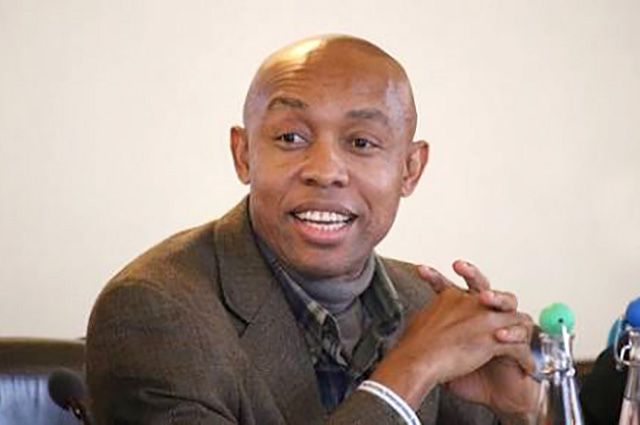
    Professor Chidi Anselm Odinkalu

    By Chidi Anselm Odinkalu

    In 1954 Sir John Verity lost his job because he won an argument. It was in his ninth year in office as Chief Justice of colonial Nigeria. Sir John arrived in Nigeria in October 1945 from the British Guyana, where he had served in a similar position since 1941. At the time, Nigeria was still a unitary system under colonial rule.

    Two years before Sir John’s arrival in Nigeria, the Native Courts (Colony) Ordinance of 1943 had created a “Supreme Court of Justice” for the Colony and Protectorate of Nigeria. Taslim Elias, the distinguished academic who was destined to play a significant role in the administration of law and courts in post-colonial Africa, described the structure of the colonial court system that Sir John met on arrival in Nigeria as comprising “a Supreme Court, which is the highest court for the territory. It consists of two parts, a Divisional Court and a Full Court (as in the West African colonies), or a High Court and a Court of Appeal (as in several other colonies such as Jamaica, Singapore and Kenya), or simply a High Court (as in Uganda and Northern Rhodesia).”

    That system had existed with modest adaptation since the Amalgamation in 1914. In his Amalgamation Report in 1919, Frederick Lugard, Nigeria’s founding Governor-General, pointed out that it was made up of a Chief Justice and Puisne Judges who “sat at certain places and visited on Assize the ‘District Courts.’”

    Six years into Sir John’s tenure as Chief Justice, in 1951, the colonial government turned the country into a federation. Two years later, one of the issues to engage the constitutional conference that began in London was the implication of this new structure for judicial administration. As the conference began, the delegates – mostly politicians who preferred in the language of the day to be called “nationalists” – advocated the decentralisation of the judiciary. Sir John opposed the proposal, venturing with what proved to be accurate foresight, that such a step “might lead to judges and magistrates becoming tools in the hands of politicians” and “might eventually lead to the control of the judiciary by the Executive.”

    The conference relocated to Lagos in 1954 where the politicians overwhelmingly approved the proposal to regionalize the judiciary. Having lost the fight over the future of the judiciary that he led, Sir John opted to take early retirement from the office of Chief Justice. He was the penultimate English man in the role.

    In the reorganisation of the court system that followed upon the conclusion of the constitutional conference, the Federal Supreme Court (FSC) was created in 1954. The regions had high courts from which appeals could go to the FSC. The highest court for the country remained the Judicial Committee of the Privy Council in London.

    By 1963, the nationalists fighting for independence one decade earlier had metamorphosed into political incumbents seeking control of the courts (like their colonial predecessors). The Privy Council had effectively ruled in favour of the opposition Action Group (AG) on the question whether the regional governor could remove renegade premier, Ladoke Akintola, without a formal vote in the regional parliament.

    Confronted with the loss of a prized ally helpfully decimating the ranks of a loathed political foe (like a certain minister is doing today for the ruling party), the then ruling federal coalition led by the Northern Peoples’ Congress (NPC), legislated the Privy Council out of existence, abolished the Judicial Service Commission, and made the Supreme Court Nigeria’s apex court. Sir John’s prophecy had become reality.

    Although the 1963 Constitution enabled the court to sit “in such other places in Nigeria as the Chief Justice of Nigeria may appoint,” the Supreme Court has functioned from its seat, first in Lagos when it was the capital city for the first three decades after independence and, thereafter, from Abuja, the current federal capital. The fortunes of the court have waxed and waned in symmetry with the political economy of Nigeria. Unlike other courts in the country, there are no divisions of the Supreme Court.

    For much of its life, the Supreme Court was an all-comers affair for appeals “on questions of law.” As the claims on the court’s judicial bandwidth rose and the political economy of the country grew more complex, it was predictable that its docket would increase. The sensible thing to do was to reform the law governing access to the Supreme Court – as well as its doctrine – to keep pace with the increasing demand for the rarefied attention of the court and preserve its authority. This was not done.

    Instead, since the onset of the current elective dispensation in 1999, the Supreme Court became preoccupied with electoral and political disputes. Among the many consequences from this, two are notable. First, the preoccupation of the court (and of the judiciary below it) with political and electoral disputes increasingly tasks its credibility. Second, the resulting prioritization accorded by the court to political cases has created an intolerable backlog to which there is no sensible solution under the current system of judicial administration. The result is that appeals not involving senior politicians or election results vegetate interminably in the bowels of the Supreme Court with no reasonable chance of getting heard.

    It is right that this situation should engage the attention of senior lawyers and senior politicians. Manu Soro, the member of the House of Representatives representing Darazo/Ganjuwa Federal Constituency of Bauchi State, has decided to bell the proverbial cat. On World Anti-Corruption Day, 9 December 2024, his bill for Supreme Court reform was gazetted.

    The bill proposes – among other things – to authorise the establishment of five regional divisions of the Supreme Court, with the one in Abuja serving as the headquarters. The bill comes complete with a political geography of the proposed divisions: Umuahia (Abia State) to serve the South-East; Bauchi (Bauchi State) for the North-East; Uyo (Akwa Ibom) for the South-South; Lagos (Lagos State) for the South-West; and Kano (Kano State) for the North-West. The declared objective of the bill is “to enhance access to the highest justice, to minimise the logistical cost of accessing justice and to ensure timely dispensation of matters brought before the apex court.”

    Commendable as it is for initiative, this bill is plainly misguided for many reasons. First, it misconceives and mis-characterises the mission of the Supreme Court. Second,  it has no diagnosis for the problems that ail the Supreme Court and, to the extent that it evinces any, offers no reasonable solution to them. Third, it offers a misplaced geographical and genealogical solution for a crisis of jurisdictional sclerosis and unimaginative judicial administration that it is unable to see.

    The most charitable anyone can be about this bill is that it is hare-brained. The solution that it offers is guaranteed to make the situation worse, not better. It will also dis-establish the court because a “Supreme Court” that sits in judicial divisions will be neither apex nor supreme.

    The crisis of appellate throughput and its consequences which presently afflicts Nigeria’s Supreme Court is too serious to be banished to post-codes defined by geographies of genealogy. To address it, the supply of appeals to the court will need to be constrained significantly. The administration of the court needs to be overhauled and professionalized; and case management needs attention too. The one thing the court cannot afford is precisely what this bill seeks – to cannibalise it into a collection of judicial Bantustans.

    A lawyer & a teacher, Odinkalu can be reached at chidi.odinkalu@tufts.edu

    Editor
    • Website

    Related Posts

    Donald Trump, like Adolf Hitler, walks on both legs by Owei Lakemfa 

    March 6, 2026

    Africa and the deadly dust from Iran by Azu Ishiekwene

    March 5, 2026

    Metabolism does not tolerate stagnation by Mukaila Kareem

    March 2, 2026
    Editors Picks

    APC can’t jail Kanu and expect S’East support in 2027 — PDP chieftain

    March 7, 2026

    RULAAC demands release of soldier detained over viral video on frontline conditions

    March 7, 2026

    Donald Trump, like Adolf Hitler, walks on both legs by Owei Lakemfa 

    March 6, 2026

    Otti clears decade-long pension arrears for Abia ADP retirees

    March 6, 2026
    Latest Posts
    Politics

    APC can’t jail Kanu and expect S’East support in 2027 — PDP chieftain

    News

    RULAAC demands release of soldier detained over viral video on frontline conditions

    Owei Lakemfa

    Donald Trump, like Adolf Hitler, walks on both legs by Owei Lakemfa 

    Subscribe to Updates

    Get the latest news from Ikenga Online.

    Advertisement
    Demo

    IkengaOnline is a publication of the Ikenga Media & Cultural Awareness Initiative (IMCAI), a non-profit organisation with offices in Houston Texas and Abuja.

    We're social. Connect with us:

    Facebook X (Twitter) Instagram YouTube LinkedIn WhatsApp RSS
    • Home
      • Igboezue
      • Hall of Fame
      • Hall of Shame
    • News
      • Other States
      • National
      • International
      • Interviews
      • Personalities
    • Abia
    • Anambra
    • Ebonyi
    • Delta
    • Enugu
    • Imo
    • Rivers
    • Politics
    • Opinion & Editorial
      • Editorial
      • Columnists
        • Osmund Agbo
        • Chido Onumah
        • Uche Ugboajah
        • Hassan Gimba
        • Edwin Madunagu
        • Rudolf Okonkwo
        • Azu Ishiekwene
        • Osita Chidoka
        • Owei Lakemfa
        • Chidi Odinkalu
      • Opinion
    • Special Reports
    • Art & Entertainment
      • Nollywood
      • Music
      • Ikengaonline Literary Series (ILS)
      • Life
      • Travels
    • Sports

    Subscribe to Updates

    Get the latest news from Ikenga Online.

    Facebook X (Twitter) Instagram LinkedIn WhatsApp RSS
    © 2026 Ikenga Online. Ikenga.

    Type above and press Enter to search. Press Esc to cancel.