
Close Menu
Ikenga Online
    What's Hot

    APC can’t jail Kanu and expect S’East support in 2027 — PDP chieftain

    March 7, 2026

    RULAAC demands release of soldier detained over viral video on frontline conditions

    March 7, 2026

    Donald Trump, like Adolf Hitler, walks on both legs by Owei Lakemfa 

    March 6, 2026
    Facebook X (Twitter) Instagram
    Ikenga Online
    Facebook X (Twitter) Instagram YouTube
    Donate
    • Home
      • Igboezue
      • Hall of Fame
      • Hall of Shame
    • News
      1. Other States
      2. National
      3. International
      4. Interviews
      5. Personalities
      6. View All

      Coroner gives LASUTH 14 days to account for unidentified body in Pelumi Onifade death probe

      March 6, 2026

      Kaduna victims’ coalition demands probe of alleged abuses under El-Rufai

      February 16, 2026

      Dadiyata: Kperogi raises questions as El-Rufai, Ganduje trade allegations

      February 15, 2026

      Kole Shettima, others to be turbaned by Machina Emirate

      January 26, 2026

      APC can’t jail Kanu and expect S’East support in 2027 — PDP chieftain

      March 7, 2026

      RULAAC demands release of soldier detained over viral video on frontline conditions

      March 7, 2026

      Ugwuanyi to Greece, Chioma Ohakim to Poland as Tinubu approves 65 ambassadorial postings

      March 6, 2026

      Medical fellowship not equivalent to PhD, FG clarifies

      March 6, 2026

      Okonjo-Iweala canvasses fresh ideas to revitalise WTO ahead of MC14

      March 6, 2026

      A Critical review of Reparations: History, Struggle, Politics and Law, by Chido Onumah 

      March 4, 2026

      Iran strikes: US issues security alert to citizens in Nigeria, worldwide

      March 2, 2026

      Iran supreme leader, Ayatollah Ali Khamenei killed in US–Israel strikes

      March 1, 2026

      Slash jumbo salaries to pay minimum wage, Bishop tells Tinubu

      June 19, 2024

      Nigeria remains a country in crisis that needs to heal – Chido Onumah

      January 24, 2024

      The Ekweremadus: Obasanjo writes UK court, seeks pardon for them

      April 5, 2023

      I’m coming with loads of experience to re-set Abia – Greg Ibe

      February 1, 2023

      Anambra-born Ugochi Nwizu shines as UNN best graduating doctor with multiple distinctions

      September 29, 2023

      Bulwark for women, girls: Meet Ikengaonline September town-hall guest speaker, Prof Joy Ezeilo

      September 27, 2023

      Rufai Oseni, the most dangerous man on Nigerian TV by Okey Ndibe

      February 13, 2023

      Stanley Macebuh: Unforgettable pathfinder of modern Nigerian journalism by Uzor Maxim Uzoatu

      February 7, 2023

      APC can’t jail Kanu and expect S’East support in 2027 — PDP chieftain

      March 7, 2026

      RULAAC demands release of soldier detained over viral video on frontline conditions

      March 7, 2026

      Otti clears decade-long pension arrears for Abia ADP retirees

      March 6, 2026

      Boundary crisis: Ebonyi orders destruction of shrines in Amasiri

      March 6, 2026
    • Abia

      Otti clears decade-long pension arrears for Abia ADP retirees

      March 6, 2026

      Rivers monarch to Otti: Your successor will have big shoes to fill

      March 6, 2026

      Abia tops climate change preparedness ranking, wins PACE commendation

      March 5, 2026

      Rights Abuse: Army warns soldiers, threatens sanctions over gambling, misconduct

      March 5, 2026

      Otti applauds Ohanaeze leadership, reaffirms support for Igbo unity, development

      March 4, 2026
    • Anambra

      ALGAF: JDPC tasks fellows on project monitoring for grassroots development

      March 2, 2026

      Thousands to benefit from IDEAS-TVET project in Anambra — Prof Onyeizugbe

      February 24, 2026

      Sit-at-home: Anambra govt urges transporters to resume full operations

      February 24, 2026

      Soludo shuts down Nnewi auto parts market over sit-at-home

      February 23, 2026

      IWA, Igbo stakeholders push for enforcement of laws to strengthen Igbo language

      February 22, 2026
    • Ebonyi

      Boundary crisis: Ebonyi orders destruction of shrines in Amasiri

      March 6, 2026

      Breaking: Kidnapped father of former Ebonyi deputy governor killed by abductors

      March 6, 2026

      AE-FUNAI college of medicine inducts 42 pioneer doctors

      March 5, 2026

      Varsity offers free respiratory treatment to Ebonyi rice mill workers

      March 5, 2026

      Former Ebonyi deputy governor’s father kidnapped

      March 1, 2026
    • Delta
    • Enugu

      Rev Father escapes death, two vigilantes killed, as gunmen invade Enugu community

      March 5, 2026

      Enugu govt takes over warehouse renovated by UNICEF, thanks donor

      March 5, 2026

      APC concludes congresses, elects new executives in Enugu

      March 4, 2026

      Enugu council boss inaugurates six solar-powered boreholes

      March 1, 2026

      Mbah urges Enugu youths to seize opportunities in technology, innovation

      February 25, 2026
    • Imo

      Disband ‘Tiger Base’ now, Igbo group petitions Gov Uzodimma

      February 25, 2026

      RULAAC urges Imo CP to probe alleged atrocities by vigilante leader in Njaba

      February 13, 2026

      Akagburuonye @ 60: Ex-Eagles stars storm Mbaise to honour humanitarian

      February 13, 2026

      RULAAC petitions Imo attorney-general over alleged torture, sexual abuse of trainee nurse

      January 25, 2026

      Reporters’ diaries: S-East governors earn praise for rural road improvements

      January 6, 2026
    • Rivers

      Aba Power breaks new ground with electricity supply to Rivers

      February 22, 2026

      Investigate Asari Dokubo over anti-Igbo rants now, IIC tells security agencies

      February 20, 2026

      Ohanaeze inaugurates committee on Igbo strategic engagement

      February 2, 2026

      Rivers assembly vows to proceed with Gov Fubara, deputy’s impeachment process 

      January 16, 2026

      Financial disagreements fuel impeachment moves against Fubara — Aide alleges

      January 16, 2026
    • Politics

      APC can’t jail Kanu and expect S’East support in 2027 — PDP chieftain

      March 7, 2026

      IPAC threatens 2027 election boycott over electoral act

      March 6, 2026

      APC targets Abia in 2027 as Ikoh hails party unity, Tinubu’s reforms

      March 4, 2026

      APC concludes congresses, elects new executives in Enugu

      March 4, 2026

      Digital membership register, trap set for opposition parties — ADC

      March 3, 2026
    • Opinion & Editorial
      • Editorial
      • Columnists
        • Osmund Agbo
        • Chido Onumah
        • Uche Ugboajah
        • Hassan Gimba
        • Edwin Madunagu
        • Rudolf Okonkwo
        • Azu Ishiekwene
        • Osita Chidoka
        • Owei Lakemfa
        • Chidi Odinkalu
      • Opinion
    • Special Reports
    • Art & Entertainment
      • Nollywood
      • Music
      • Ikengaonline Literary Series (ILS)
      • Life
      • Travels
    • Sports
    Ikenga Online
    Home » Africa, conflicting memory of colonialism and the future by Cheta Nwanze
    Columnists

    Africa, conflicting memory of colonialism and the future by Cheta Nwanze

    EditorBy EditorFebruary 13, 2025No Comments7 Mins Read
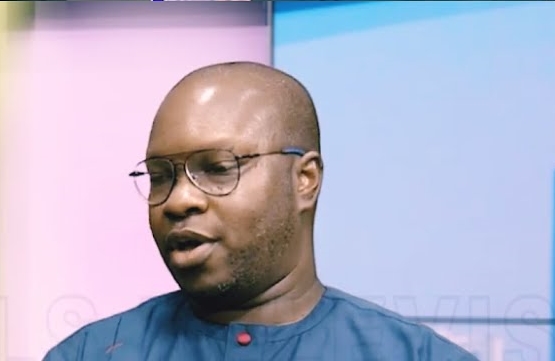
    Cheta Nwanze

    By Cheta Nwanze

    Yet, despite these brutal episodes, many Nigerians today seem to have forgotten—or at least downplayed—the severity of these events. Streets, buildings, and institutions named after colonial figures who committed or enabled these atrocities remain largely unchallenged. For instance, Trenchard Hall at the University of Ibadan is named after Hugh Trenchard, a British officer who played a key role in the Aro Expedition, a campaign marked by widespread violence against the Aro people, where the collective guilt behaviour that Nigerian security forces use till this day was deployed. Similarly, Douglas House in Owerri is named after James Douglas, a colonial administrator who made liberal use of forced labour to advance British interests.”

    The legacy of colonialism is a deeply complex and often painful subject, evoking different emotions and memories depending on the region. Across Africa, the scars of European domination are undeniable, but the intensity of resentment and how colonial history is remembered vary significantly. One striking thing I have noticed is that Anglo-West Africans—particularly Nigerians, Ghanaians, and Sierra Leoneans—do not seem to harbour the same level of animosity toward colonialism as their counterparts in East and Southern Africa. This divergence in collective memory is not accidental; it is rooted in the specific nature of British colonial rule in West Africa, the absence of large-scale settler colonialism, and how colonial violence has been memorialised—or, in many cases, forgotten.

    In Nigeria, for example, the British colonial project was marked by numerous atrocities, many of which have faded from public memory. From the Punitive Expedition in Benin, which ended a 600-year-old dynasty and resulted in the looting of the Benin Bronzes and the burning of Benin City, to the Aro Expedition of 1901-1902, which saw the destruction of Arochukwu and the killing of countless civilians, the British employed extreme violence to suppress resistance and impose their rule. Other examples include the Satiru Massacre of 1906, where the bodies from the destruction of the village of Satiru near Sokoto were piled so high that they formed a hill and the destruction of Asaba, twice in the 1880s, which saw 1 in 10 Asaba men killed. These events were not isolated incidents but part of a broader pattern of violence used to establish and maintain colonial control.

    Yet, despite these brutal episodes, many Nigerians today seem to have forgotten—or at least downplayed—the severity of these events. Streets, buildings, and institutions named after colonial figures who committed or enabled these atrocities remain largely unchallenged. For instance, Trenchard Hall at the University of Ibadan is named after Hugh Trenchard, a British officer who played a key role in the Aro Expedition, a campaign marked by widespread violence against the Aro people, where the collective guilt behaviour that Nigerian security forces use till this day was deployed. Similarly, Douglas House in Owerri is named after James Douglas, a colonial administrator who made liberal use of forced labour to advance British interests. If Nigerians were to take a serious reckoning with their colonial past, these names would likely be among the first to be changed.

    Compared to East and Southern Africa, the relative lack of animosity toward colonialism in West Africa can be attributed to several factors. First, the absence of settler colonialism in West Africa played a significant role. Unlike in Kenya, Zimbabwe, or South Africa, where large numbers of British settlers seized land and established permanent communities, West Africa did not experience significant settler colonialism. The British saw the region primarily as a source of raw materials and labour rather than a place to settle. This meant that the colonial presence was less visible and intrusive, and the direct displacement of local populations was less widespread. In East and Southern Africa, the expropriation of land by settlers created a lasting legacy of inequality and resentment. The Mau Mau uprising in Kenya and the anti-apartheid struggle in South Africa are emblematic of the fierce resistance to settler colonialism, which has left a deep imprint on collective memory.

    Second, the nature of colonial violence in West Africa was often more localised and episodic compared to the systemic brutality of settler colonialism. While British colonial rule in West Africa was undoubtedly violent, the scale and duration of this violence were often more contained. Massacres like those in Satiru or Arochukwu were horrific, but they did not result in the same level of sustained, large-scale oppression as seen in regions with significant settler populations. In contrast, the British in Kenya and Southern Africa waged prolonged wars against local populations, enforced racial segregation, and institutionalised systems of forced labour and land dispossession. These experiences have left a more indelible mark on the collective psyche.

    Third, post-colonial narratives and national identity have also shaped how colonialism is remembered in West Africa. In countries like Nigeria and Ghana, the narrative of colonialism has often been overshadowed by the challenges of post-independence governance, such as civil wars, military coups, and economic struggles. Focusing on these more immediate issues has sometimes pushed colonial history to the background. Additionally, compared to the protracted struggles in Kenya and South Africa, the relatively smooth transition to independence in West Africa contributed to a less confrontational relationship with the colonial past.

    Finally, cultural and historical amnesia have contributed to the forgetting of colonial atrocities. The passage of time, coupled with a lack of formal education, public discourse and a deliberate effort to whitewash these events, has led to cultural amnesia. Many Nigerians, for example, are unaware of the specifics of events like the Satiru Massacre or the Aro Expedition. Without a concerted effort to preserve and teach this history, it risks being forgotten entirely.

    If West Africans are to confront their colonial past honestly, one tangible step would be to rename monuments and institutions that honour colonial figures implicated in atrocities. Trenchard Hall and Douglas House are just two examples of how colonial legacies are still embedded in Nigeria’s physical and cultural landscape. Two others are Lugard House and Bourdillon Road. For crying out loud, the city of Port Harcourt was named after a serial paedophile!

    Renaming these sites would not only correct historical injustices but also serve as a reminder of the violence and exploitation that underpinned British rule.

    The difference in how Anglo-West Africans and their East and Southern African peers remember colonialism is not a reflection of the severity of colonial violence but rather of the specific ways in which that violence was enacted and memorialised. For West Africans, the absence of settler colonialism and the episodic nature of colonial atrocities have made it easier to “forget” or downplay the horrors of the past. However, this forgetting comes at a cost. It risks erasing the struggles and sacrifices of those who resisted colonial rule and obscures the full impact of colonialism on the region’s development.

    A true reckoning with the colonial past requires not only remembering the atrocities but also taking concrete steps to address their legacy. Renaming colonial monuments, educating future generations about this history, and fostering a more critical dialogue about colonialism are essential steps in this process. Only then can West Africans fully confront the complexities of their colonial past and its enduring impact on the present.

    Nwanze is founder of SBM Intelligence

    Editor
    • Website

    Related Posts

    Donald Trump, like Adolf Hitler, walks on both legs by Owei Lakemfa 

    March 6, 2026

    Africa and the deadly dust from Iran by Azu Ishiekwene

    March 5, 2026

    US, Israel, and Iran: Nigeria’s hypocritical culture by Promise Adiele 

    March 4, 2026
    Editors Picks

    APC can’t jail Kanu and expect S’East support in 2027 — PDP chieftain

    March 7, 2026

    RULAAC demands release of soldier detained over viral video on frontline conditions

    March 7, 2026

    Donald Trump, like Adolf Hitler, walks on both legs by Owei Lakemfa 

    March 6, 2026

    Otti clears decade-long pension arrears for Abia ADP retirees

    March 6, 2026
    Latest Posts
    Politics

    APC can’t jail Kanu and expect S’East support in 2027 — PDP chieftain

    News

    RULAAC demands release of soldier detained over viral video on frontline conditions

    Owei Lakemfa

    Donald Trump, like Adolf Hitler, walks on both legs by Owei Lakemfa 

    Subscribe to Updates

    Get the latest news from Ikenga Online.

    Advertisement
    Demo

    IkengaOnline is a publication of the Ikenga Media & Cultural Awareness Initiative (IMCAI), a non-profit organisation with offices in Houston Texas and Abuja.

    We're social. Connect with us:

    Facebook X (Twitter) Instagram YouTube LinkedIn WhatsApp RSS
    • Home
      • Igboezue
      • Hall of Fame
      • Hall of Shame
    • News
      • Other States
      • National
      • International
      • Interviews
      • Personalities
    • Abia
    • Anambra
    • Ebonyi
    • Delta
    • Enugu
    • Imo
    • Rivers
    • Politics
    • Opinion & Editorial
      • Editorial
      • Columnists
        • Osmund Agbo
        • Chido Onumah
        • Uche Ugboajah
        • Hassan Gimba
        • Edwin Madunagu
        • Rudolf Okonkwo
        • Azu Ishiekwene
        • Osita Chidoka
        • Owei Lakemfa
        • Chidi Odinkalu
      • Opinion
    • Special Reports
    • Art & Entertainment
      • Nollywood
      • Music
      • Ikengaonline Literary Series (ILS)
      • Life
      • Travels
    • Sports

    Subscribe to Updates

    Get the latest news from Ikenga Online.

    Facebook X (Twitter) Instagram LinkedIn WhatsApp RSS
    © 2026 Ikenga Online. Ikenga.

    Type above and press Enter to search. Press Esc to cancel.