

Our Reporter, Abuja
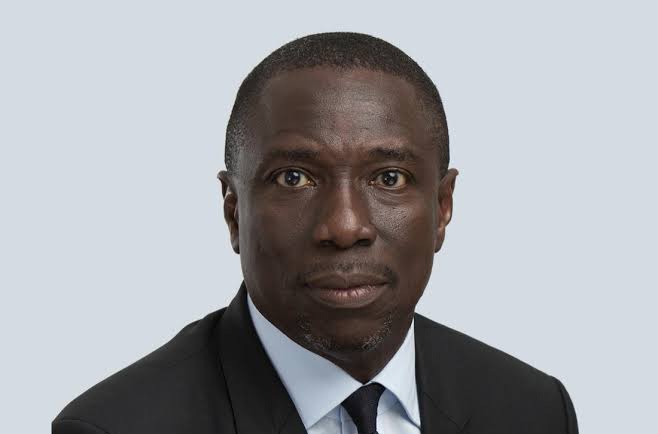
The Peoples Democratic Party (PDP) governorship candidate in the September 2024 Edo State election, Asue Ighodalo, has strongly disagreed with the Supreme Court’s verdict affirming the election of Governor Monday Okpebholo of the All Progressives Congress (APC), describing it as a tragic validation of electoral injustice.
In a passionate statement issued shortly after the Supreme Court’s judgment on Thursday, Ighodalo acknowledged the finality of the ruling but questioned its fairness, saying it did not represent justice.
“Though I accept the finality of judgment, I do not and cannot pretend that what was delivered amounted to justice,” Ighodalo stated.
“What happened in the September 2024 Governorship Election was not a contest. It was a robbery — coordinated, deliberate, and now, tragically validated by the highest court in the land.”
The Supreme Court had earlier in the day dismissed Ighodalo’s appeal for lacking merit, upholding the decisions of both the Court of Appeal and the Election Petition Tribunal, which had confirmed Okpebholo as the duly elected governor.
Ighodalo, however, maintained that the process was manipulated and the will of Edo people subverted. He decried what he described as betrayal — not just by political actors — but by the very institutions entrusted with protecting Nigeria’s democracy.
“Like you, I feel a deep sense of betrayal. But not just by those who rigged the process, but by the very institutions created to protect our democracy. You voted for competence. Yet your mandate was trampled without consequence.”
He extended a heartfelt message to his supporters, particularly the youth and elders who had hoped for a new direction in the state.
“To every young person who saw in this moment the birth of a new Edo, to every elder who longed for a future built on collective strength — our story does not end here. The struggle to reclaim the soul of our beloved state continues.”
Though he admitted that the judgment marks a painful chapter, Ighodalo urged his supporters not to lose hope or retreat, warning that the consequences of what he called an “illegitimacy” would be felt in the lives of ordinary citizens.
“Yes, dark days may lie ahead. The weight of this illegitimacy will, unfortunately, echo beyond the polls — in the daily suffering of the poor, in the absence of leadership, and the poverty of policy,” he said.
“But we are not a broken people. We may be wounded. But all wounds heal.”
He called for resilience and justice.
“Let this be our vow. We will not retreat. We will not be cowed. And we will never forget those who have hurt us, mocked our mandate, and dashed our dreams. We will rise again. And when we do, it will be with a renewed sense of purpose. History will deliver its own verdict.”
