

Our Reporter, Abuja
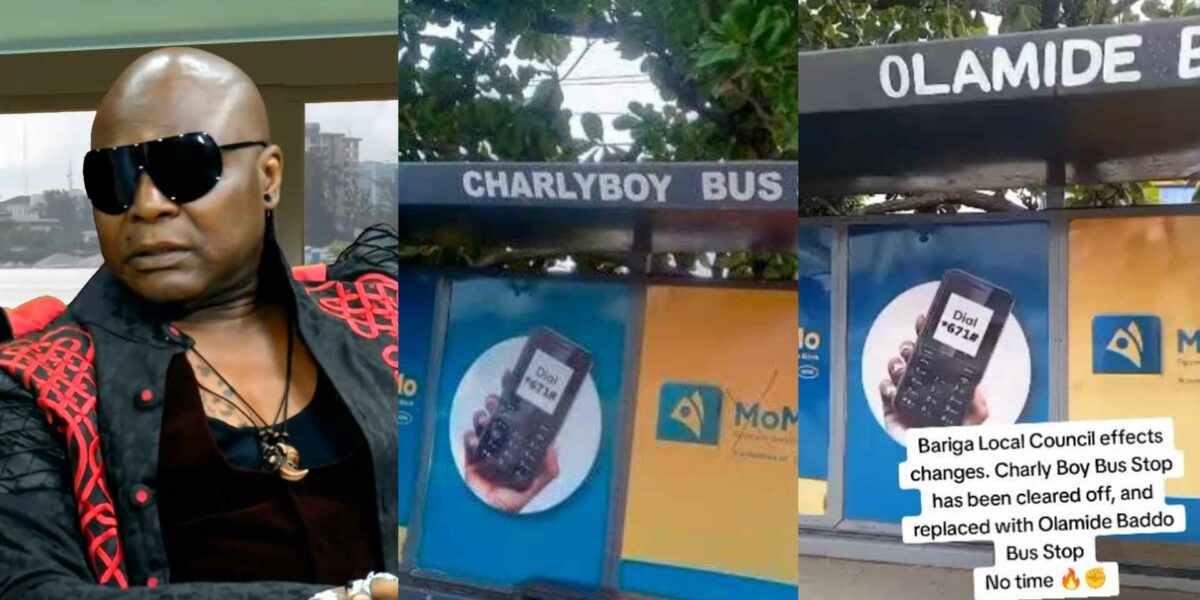
Political activist and publisher of Sahara Reporters, Omoyele Sowore, has responded to a statement issued by Mrs. Ebunola Adebusoye, who described herself as the Deputy Women’s Leader of the Indigenous Lagos Teachers Association, over her attacks on veteran entertainer, Charles Oputa, popularly known as Charly Boy, and the naming of a bus stop in Gbagada after him.
Adebusoye had in her statement applauded the renaming of the popular “Charly Boy Bus Stop” to “Badoo Bus Stop” by the Chairman of Bariga Local Council Development Area (LCDA). She described Charly Boy as a “bad influence” and a “nuisance” to the Gbagada community, accusing him of promoting immorality, drug use, and disrespect for Yoruba traditions. She also launched personal attacks on Sowore, describing him as “senseless” and questioning his educational background and revolutionary credentials.
But taking to his X social media accounton Sunday, Sowore dismissed the woman’s comments as “a hubris laced with xenophobia, political cowardice, and ethnic-baiting,” accusing her of attempting to weaponize culture in the service of political interests tied to President Bola Ahmed Tinubu and his loyalists in Lagos.
“What ‘Mrs. Ebunola Adebusoye née @jidesanwoolu’ did was use falsehoods, bitterness, and insecurity to trigger ethnic purity,” Sowore said.
“This is just a weak attempt to create political allegiance to the godfather of Lagos in Abuja.”
Drawing parallels with the late Afrobeat legend Fela Anikulapo-Kuti, Sowore said that the tactics being used against Charly Boy are recycled methods of silencing dissent.
“They did the same to Fela. They accused him of not paying rent, of being a bad influence, of killing his electrician. They burnt down Kalakuta Republic, erased his Shrine, and reassigned his property to the state. But Fela’s legacy could not be erased. It’s now global.”
Sowore said the attack on Charly Boy is part of a long-running strategy to “criminalize creative dissent” and stifle voices that challenge authoritarian power.
“Lagos is not a kingdom. It is a city of the people,” Sowore emphasized.
“The Yoruba, Igbo, Hausa, Ijaw, Brazilian returnees, the Saros and more built this city. No tribe owns Lagos more than those who live in it and make it breathe.”
He also condemned what he described as the hypocrisy of political actors who claim to protect Lagos heritage while displacing indigenes from their homes in favor of real estate interests.
Sowore also dismissed Adebusoye’s personal attack on his person, educational record, and protest legacy as “petty, poisoned, and proof of why Nigeria is stuck.”
“Those who should be retired into silence are the ones screaming the loudest with venom,” he said.
Adebusoye’s controversial statement has since drawn wide criticism online, with many accusing her of fanning ethnic tension and promoting a narrow vision of Lagos that excludes its diverse population.
