

Our Reporter, Abuja
Rights activist and former Chairman of the Nigerian Electricity Regulatory Commission (NERC), Dr. Sam Amadi, has raised concerns over what he described as a disturbing trend of hate speech and vilification targeted at the Igbo people by government officials.
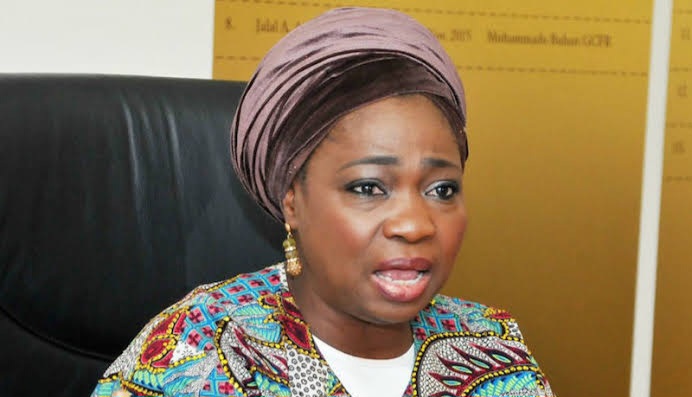
Speaking during his Thursday Democracy Broadcast, Amadi condemned a recent online controversy sparked by a post from one Wale Akerele, who referred to Igbos with derogatory terms such as “gorillas” and “chimpanzees.” He expressed shock that the Chairman of the Nigerian Diaspora Commission, Abike Dabiri-Erewa, appeared to endorse the offensive remarks by “liking” and getting amused by the post.
“The key point is not what he (Akerele) said or posted, but that a high-ranking official of this government cheered this vilification of Igbos who are part of the constituency she has responsibility to cater for,” Amadi said.
The legal scholar noted that while hateful comments from ordinary citizens could be dismissed as “online noise,” it becomes alarming when public officials amplify such rhetoric. He cited similar instances involving an aide of Governor Sanwolu of Lagos and another aide of the President, questioning why those in authority would validate divisive narratives.
Dr Amadi said unchecked stigmatization of Igbos could have far-reaching political, economic, and social consequences.
“Narratives control almost everything. If you allow people to stigmatize the people badly in this way, it can affect outcomes,” he warned.
The policy expert urged Igbo political and community leaders to take stronger action in confronting the trend and calling the attention of the President and other leaders to its dangers.
“And what are the Igbo leaders doing to draw attention of Mr. President and their principals to stop this?
“Let’s not forget that today narratives control almost everything.
“And what that means is that if you allow people to stigmatize the people badly in this way, it can affect both economic, social and political outcome.
“So, I expect more robust push-back by Igbo public office leaders talking to these people and controlling this epidemic that might bring us, God forbid, back to the past history of of attack, mass violence against Igbos.”
He cautioned that failure to act could reignite the historical injustices and violence previously suffered by the Igbo people.
“Please, let’s rise up and defend our names. “Onye kwe, chi ekwe.”
