

Lawrence Ndubeze, Awka
Stakeholders in Anambra State have taken a strategic step toward improving maternal and child healthcare delivery in primary healthcare centers (PHCs).
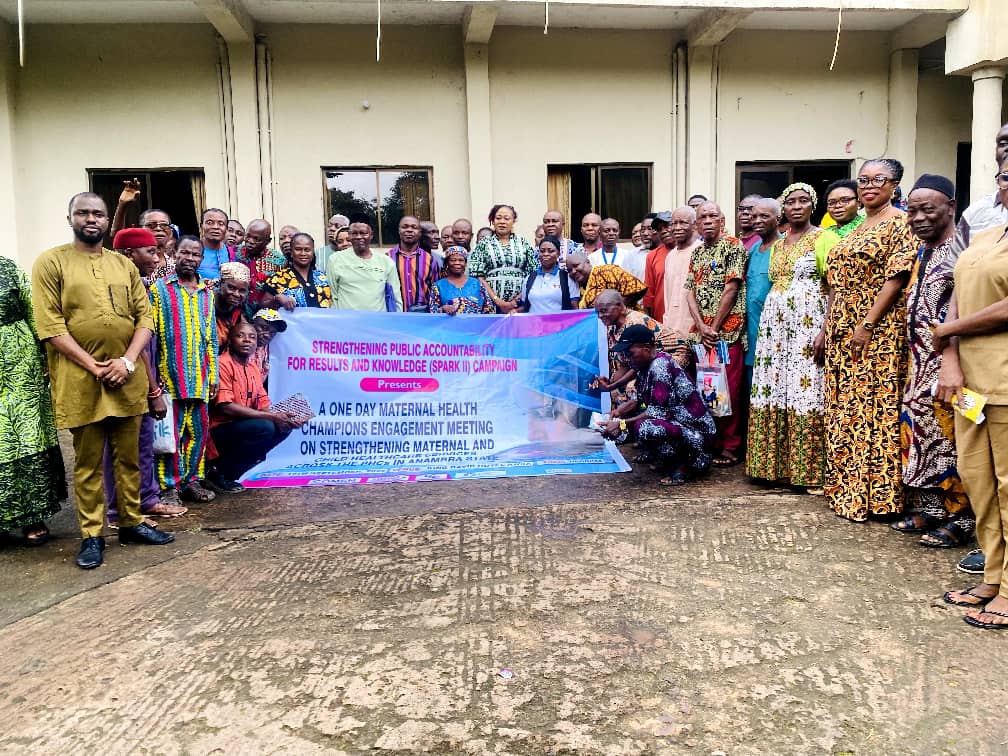
A one-day Maternal Health Champions Engagement Meeting was held over the weekend to strengthen maternal and child health services across PHCs in the state.
The meeting featured training for Ward Development Committees (WDCs), widows, and single mothers, empowering them to serve as Maternal Health Champions.
The initiative, spearheaded by Justice Development and Peace Caritas (JDPC) Nnewi, Community Empowerment Network (COMEN), and Civil Rights Concern (CRC), under the Strengthening Public Accountability for Results and Knowledge (SPARK 2) project, seeks to close gaps in healthcare access, particularly for pregnant women in rural communities.
Ugochi Agalaba-Ehiahuruike, Executive Director of the Social and Integral Development Centre (SIDEC) and SPARK 2 COMEN Consultant, said the Maternal Health Champions would serve as vital links between communities and healthcare facilities.
She explained that the champions would help raise awareness, reduce barriers, and encourage timely use of maternal health services.
“This training is a strategic step toward bridging gaps in healthcare access, especially for pregnant women seeking care at PHCs. Through this empowerment, we envision these champions fostering awareness, reducing barriers, and encouraging timely utilization of maternal health services. Their roles can catalyze positive change, touching the lives of mothers and building healthier families and communities,” she said.
JDPC Director, Rev. Fr. Chima Okolo, stressed the importance of inclusive, community-driven healthcare delivery. He said the program’s emphasis on gender and intersectionality would ensure that no voice is left unheard and no citizen excluded from accessing quality services.
“Today’s meeting is not just another activity—it is a bold step in the system shift we seek in Anambra’s primary healthcare. The vision of SPARK II is clear: to strengthen maternal and child health service delivery through inclusive, accountable, and community-driven engagement. Healthcare is not one-size-fits-all, and our responsibility is to ensure that women, young girls, men, persons with disabilities, and vulnerable groups all have equal access to quality care,” he said.
Onyekachi Ololo, JDPC SPARK II Program Manager, said the engagement brings together community champions, advocates, and accountability actors who will bridge the gap between policy, service delivery, and community needs.
He noted that the Maternal Health Champions would be frontline drivers of change by promoting awareness, reducing barriers, and encouraging timely access to services.
Ololo added that the community-led initiative is designed to improve maternal and child healthcare delivery through accountability, gender inclusion, and active citizen participation.
