

Stephen Ukandu, Umuahia
As Nigeria marks her 65th Independence anniversary, the Centre for Human Rights Advocacy and Wholesome Society (CEHRAWS) has urged a renewed commitment to true federalism, justice, and grassroots development.
In a statement signed by its Executive Director, Chuka Peter, the group said the occasion “is a moment that calls less for champagne toasts and more for sober reflection.”
According to CEHRAWS, “Nigeria, like a grey-haired elder, ought to sit among the comity of nations with dignity, wisdom, and strong institutions.”
However, the group lamented that the country’s celebration “is mixed with discordant tunes—laughter from a few, but lamentation from the majority.”
The statement read: “Six decades after independence, our nation still grapples with failed promises: collapsing schools, deserted industries, widespread insecurity, and a citizenry forced to compete not with the world, but with hunger and unemployment. Government has abandoned its primary responsibility of providing security and protection for its citizens.
“Our abundant natural and human resources—blessings meant to lift us into prosperity—have tragically become burdens fuelling corruption and waste.”
CEHRAWS particularly decried the failure of states to grant local governments financial autonomy despite a Supreme Court judgment affirming it.
“Most disturbing is the persistent undermining of local government autonomy. Section 7(1) of the Constitution guarantees democratically elected local councils, while Section 162(5–8) mandates direct allocation of resources to them.
“Yet, state governors across the federation continue to hijack and suffocate this third tier of government, stripping it of life and denying citizens the dividends of democracy at the grassroots. This deliberate subversion, despite Supreme Court pronouncements and presidential directives, remains one of the gravest insults to federalism and national development.”
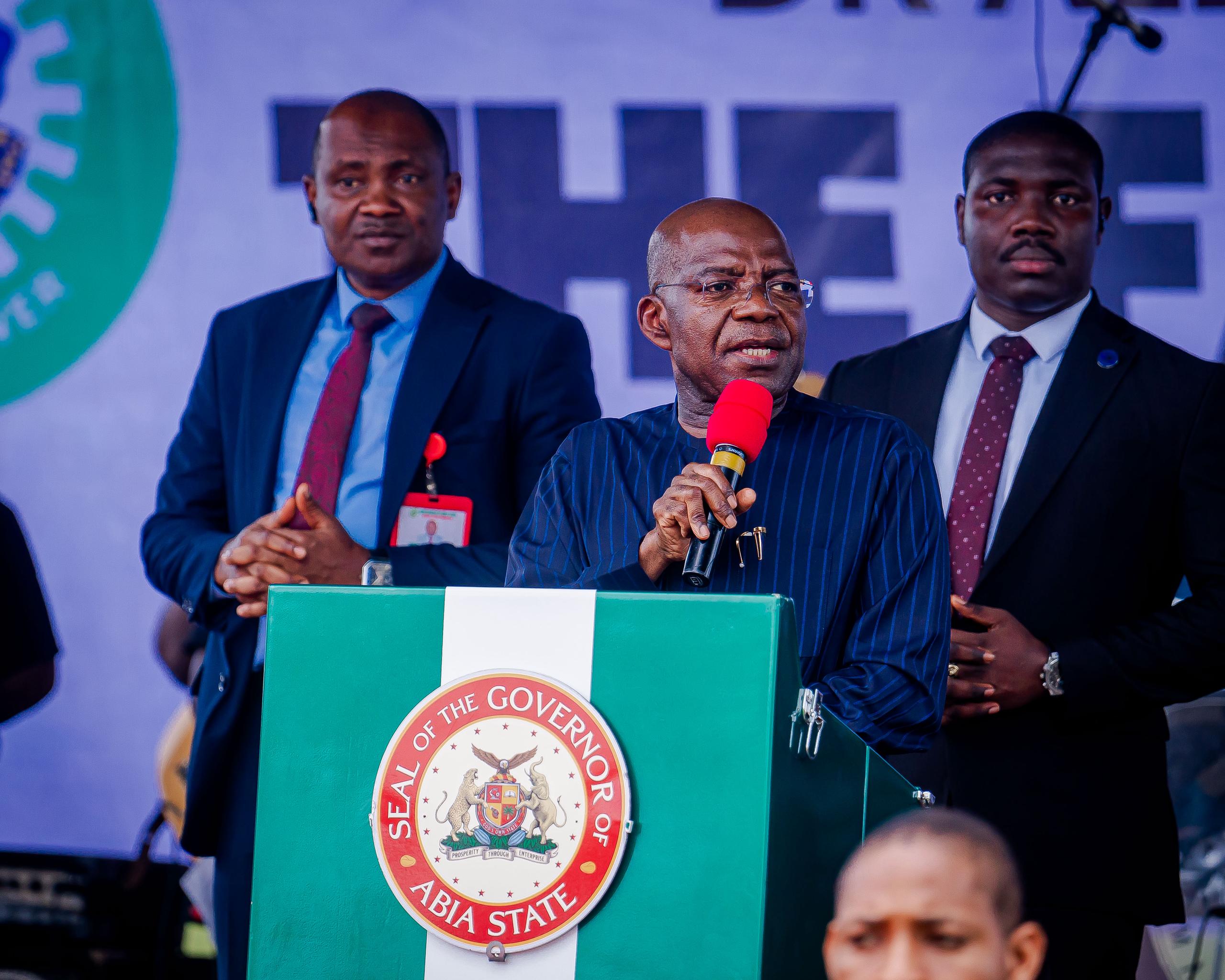
CEHRAWS, however, acknowledged the efforts of “responsible leaders who are working tirelessly to steer Nigeria away from collapse,” singling out Abia State Governor, Dr. Alex Otti, for commendation.
“In particular, we commend the Governor of Abia State, Dr. Alex Otti, for his pragmatic, people-centred leadership. He has demonstrated that governance, when anchored on transparency, accountability, and service, can restore public confidence and inspire a new vision for Nigeria,” the group said.
It urged Otti to “up the ante because much more is expected of him at this critical time.”
“Governance must go beyond recovery to consolidation. Abians, and indeed Nigerians, expect greater strides in inclusiveness, broader accountability frameworks, and deeper transparency in resource management. His leadership so far has raised hopes, but sustaining that hope will require widening the democratic space so that no group feels excluded, and ensuring that every kobo of public revenue is utilized for the benefit of the people.”
The group stressed that at 65, Nigeria stands at a crossroads: “we must either embrace justice, equity, restructuring, and genuine federalism, or continue down the path of arrested development.”
CEHRAWS maintained that “patriotism is not about ceremonial parades or rhetorical speeches on October 1st; it is about the practical enactment of constitutional principles that secure welfare, promote prosperity, and respect the independence of every tier of government.”
It further called on Nigerians “to refuse to clap for discordant tunes,” warning that “the masquerade of governance must remember that the dance is for the people, not for its own ego. Together, with collective vigilance and the courage to demand accountability, we can still salvage the dream of a truly united, just, and prosperous Nigeria.”
