

Our Reporter, Abuja
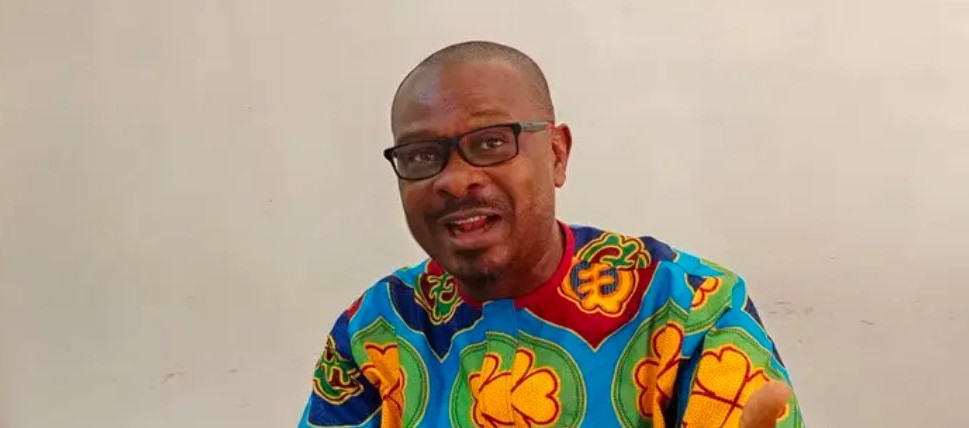
The Executive Director of the Rule of Law and Accountability Advocacy Centre (RULAAC), Mr. Okechukwu Nwanguma, has said that five years after the #EndSARS protests, Nigeria has failed to achieve meaningful police reform due to entrenched political interference, corruption, and lack of accountability.
In a piece titled “#EndSARS at Five: Why Police Reform Has Failed Nigeria – And What Must Change,” Nwanguma reflected on the 2020 protests that shook the nation, describing them as a defining moment in Nigeria’s democratic journey and a “cry from a generation that had grown weary of impunity.”
According to him, although the government announced the disbandment of the Special Anti-Robbery Squad (SARS) and the creation of the Special Weapons and Tactics (SWAT) unit, Nigerians quickly saw through the move as “old wine in a new bottle.” He said the government’s reaction was “swift but shallow,” adding that the tragic Lekki Tollgate incident remains “a wound on the nation’s conscience.”
Unfulfilled Promises and Enduring Impunity
Nwanguma lamented that the lofty promises of reform made in 2020 have since been abandoned, with cases of brutality, extortion, and impunity still rampant in the Nigeria Police Force.
“Five years later, the promises that followed the protests lie unfulfilled. The same patterns of brutality, extortion, and impunity persist,” he said.
“Police reform, loudly proclaimed in 2020, has failed yet again.”
He attributed the failure to what he described as “structural and political roots” of Nigeria’s policing crisis, tracing it back to the colonial origins of the force.
“The Nigeria Police was never designed to serve the people,” Nwanguma argued.
“It functioned as an instrument of coercion—to enforce order, not justice; to protect the state, not citizens. That legacy endures.”
Reforms on Paper, Not in Practice
Nwanguma noted that the enactment of the Police Act 2020 initially appeared to herald a new beginning by replacing the colonial-era 1943 Police Act. The new law, he said, promised accountability, respect for human rights, and community partnership.
“On paper, it was a watershed. In practice, it has been largely ignored,” he said.
He outlined key reasons for the persistent failure of reform, including:
- Political interference: Presidents appoint Inspectors-General based on loyalty rather than competence.
- Perennial underfunding: Officers depend on complainants and suspects to finance investigations.
- Corrupt recruitment: Political patronage undermines professionalism and discipline.
- Weak accountability: Oversight bodies like the Police Service Commission (PSC) and the Complaints Response Unit (CRU) lack resources and independence.
- Poor welfare: Neglect of police salaries, housing, and healthcare erodes morale and integrity.
Justice Still Denied
The RULAAC boss decried the failure of state governments to implement the recommendations of the judicial panels of inquiry established after the #EndSARS protests.
“Families of victims still await justice, while perpetrators continue to wear the uniform of the state—sometimes even promoted,” he said.
“This sustained failure to investigate, punish, and remedy abuses reinforces public mistrust.”
A Broken Relationship Between Police and Citizens
Nwanguma warned that the relationship between citizens and the police remains deeply fractured, five years after the protests.
“Young Nigerians continue to be profiled, harassed, and extorted. Being young, tech-savvy, or well-dressed remains grounds for unlawful arrest or intimidation,” he said.
“The system has learned nothing.”
What Must Change
Nwanguma outlined a six-point agenda for meaningful reform:
- Full implementation of the Police Act 2020, including due process safeguards and community oversight.
- Transparent and merit-based recruitment, with psychological and background screening.
- Improved welfare and service conditions for police officers.
- Independent accountability mechanisms, with strengthened CRU and PSC.
- Justice for victims, through implementation of panel recommendations and prosecution of offenders.
- Active citizen oversight, ensuring sustained public vigilance against cosmetic reforms.
A Call for Reflection and Renewal
While recalling the courage and solidarity of Nigerian youths during the #EndSARS protests, Nwanguma said the struggle for police reform remains unfinished.
“#EndSARS was not just a protest; it was a mirror held up to the Nigerian state,” he said.
“It exposed the failure of governance and the erosion of trust. It also revealed the courage and creativity of Nigerian youth—qualities the nation must nurture, not crush.”
He reaffirmed RULAAC’s commitment to justice and humane policing, stressing that until Nigeria “dismantles the colonial DNA of repression,” genuine reform will remain elusive.
“Nigeria does not need new slogans or new uniforms,” he declared.
“It needs justice, accountability, and the political will to change. Only then can we truly say that those who died for #EndSARS did not die in vain.”
