

Our Reporter, Abuja
Human rights group, the Rule of Law and Accountability Advocacy Centre (RULAAC), has warned that Nigeria may be heading toward another nationwide #EndSARS-style uprising if authorities fail to halt what it described as the resurgence and normalization of police abuses, particularly in Imo State.
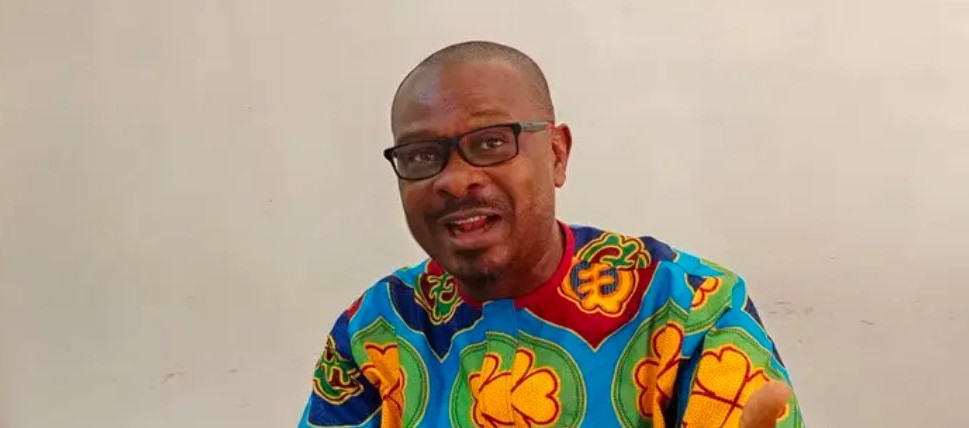
In a statement issued on Monday, RULAAC’s Executive Director, Mr. Okechukwu Nwanguma, said five years after the historic #EndSARS protests, the very violations that sparked the 2020 uprising—arbitrary arrests, torture, prolonged detention without trial, disregard for court orders, and institutional cover-ups—are again widespread and largely unchecked.
“This is no longer a rhetorical question. It is an urgent warning,” Nwanguma said, asking whether Nigerian authorities are “waiting for another #EndSARS before they act.”
Alleged pattern of abuse
According to RULAAC, the abuses are neither isolated nor unsubstantiated, but form a “damning and consistent pattern” centred on the notorious Police Special Anti-Robbery Squad (SARS) facility in Owerri, commonly known as Tiger Base.
The group cited multiple cases, including the alleged wrongful parade of a tailor as a suspect in the killing of police officers, despite evidence that he was already in police custody days before the incident. It also referenced the death of Mr. Japheth Njoku, who RULAAC said was tortured to death in custody, with police officers allegedly defying Coroner’s Court orders, obstructing autopsies, and intimidating witnesses to frustrate accountability.
RULAAC further recalled the judgment of the ECOWAS Court of Justice in Glory Okoli v. Federal Republic of Nigeria, which found that Tiger Base had been used for incommunicado detention, torture, sexual abuse, and extortion—years before recent allegations emerged.
Other cases highlighted include young men allegedly arrested “in error,” brutalised, extorted for their release, and threatened into silence, as well as a 21-year-old trainee nurse reportedly detained for more than 80 days without charge, allegedly tortured, denied access to legal counsel, and coerced in violation of Section 35 of the 1999 Constitution.
“These are precisely the abuses that #EndSARS was meant to end,” the organisation said.
“Denial is not reform”
RULAAC criticised what it described as police reliance on media tours, official denials, and internal blame-shifting, arguing that such responses fall short of accountability and risk inflaming public anger.
“When police officers defy court orders, frustrate autopsies, and remain in service while victims’ families beg for justice, the message to citizens is chilling: the law does not apply to those in uniform,” Nwanguma said.
He warned that history shows public outrage often spills into the streets when lawful channels for redress are persistently blocked, noting that the 2020 #EndSARS protests began with petitions, reports, and court cases that were ignored.
Calls for urgent action
To avert what it described as another looming national crisis, RULAAC called on federal and state authorities to take immediate steps, including the closure of Tiger Base and other facilities with proven records of systemic abuse, and the enforcement of command responsibility against senior officers who permit or shield violations.
The group also demanded strict compliance with court orders, prosecution of custodial torture and killings as criminal offences rather than mere disciplinary matters, and stronger independent oversight involving the Police Service Commission, Coroner’s Courts, and civil society groups.
It further urged the protection of victims, witnesses, and whistleblowers from intimidation and retaliation.
A “final warning”
In a concluding note, RULAAC said Nigerians—particularly young people—are closely watching developments and drawing lessons from the past.
“The question is no longer whether another #EndSARS is possible, but whether authorities will act in time to prevent it,” the statement said.
“Accountability is not optional. Justice delayed is protest invited.”
