
Close Menu
Ikenga Online
    What's Hot

    Scores injured as Abuja–Kaduna train derails

    March 16, 2026

    2027: Step down for Igbo president, groups urge Tinubu

    March 16, 2026

    Israeli president visits missile-hit home, warns Iran of ‘more havoc’ over cluster munitions attack

    March 16, 2026
    Facebook X (Twitter) Instagram
    Ikenga Online
    Facebook X (Twitter) Instagram YouTube
    Donate
    • Home
      • Igboezue
      • Hall of Fame
      • Hall of Shame
    • News
      1. Other States
      2. National
      3. International
      4. Interviews
      5. Personalities
      6. View All

      Scores injured as Abuja–Kaduna train derails

      March 16, 2026

      Coroner gives LASUTH 14 days to account for unidentified body in Pelumi Onifade death probe

      March 6, 2026

      Kaduna victims’ coalition demands probe of alleged abuses under El-Rufai

      February 16, 2026

      Dadiyata: Kperogi raises questions as El-Rufai, Ganduje trade allegations

      February 15, 2026

      Obi faults Tinubu’s reforms as Nigeria’s poverty rate hits 63 per cent 

      March 16, 2026

      ‘Current wages now starvation stipends’ — NLC, urges urgent relief

      March 15, 2026

      Obi blasts lawmakers for removing forgery offences from election petitions

      March 14, 2026

      Troops foil Boko Haram/ISWAP attacks on two military bases in Borno

      March 13, 2026

      Israeli president visits missile-hit home, warns Iran of ‘more havoc’ over cluster munitions attack

      March 16, 2026

      My father, wife killed by US, Israel — Iran’s new leader speaks, vows revenge

      March 12, 2026

      Okonjo-Iweala canvasses fresh ideas to revitalise WTO ahead of MC14

      March 6, 2026

      A Critical review of Reparations: History, Struggle, Politics and Law, by Chido Onumah 

      March 4, 2026

      Slash jumbo salaries to pay minimum wage, Bishop tells Tinubu

      June 19, 2024

      Nigeria remains a country in crisis that needs to heal – Chido Onumah

      January 24, 2024

      The Ekweremadus: Obasanjo writes UK court, seeks pardon for them

      April 5, 2023

      I’m coming with loads of experience to re-set Abia – Greg Ibe

      February 1, 2023

      Anambra-born Ugochi Nwizu shines as UNN best graduating doctor with multiple distinctions

      September 29, 2023

      Bulwark for women, girls: Meet Ikengaonline September town-hall guest speaker, Prof Joy Ezeilo

      September 27, 2023

      Rufai Oseni, the most dangerous man on Nigerian TV by Okey Ndibe

      February 13, 2023

      Stanley Macebuh: Unforgettable pathfinder of modern Nigerian journalism by Uzor Maxim Uzoatu

      February 7, 2023

      Scores injured as Abuja–Kaduna train derails

      March 16, 2026

      2027: Step down for Igbo president, groups urge Tinubu

      March 16, 2026

      Israeli president visits missile-hit home, warns Iran of ‘more havoc’ over cluster munitions attack

      March 16, 2026

      Pray for Gov Otti’s success, CoS Ajagba urges as Apostle Egede bows out of ministry

      March 16, 2026
    • Abia

      Pray for Gov Otti’s success, CoS Ajagba urges as Apostle Egede bows out of ministry

      March 16, 2026

      2027: Renewed Hope Ambassadors begin grassroots membership drive in Abia

      March 15, 2026

      Otti vows to reply criritics with more work as Ogah backs gov, Tinubu for reelection 

      March 15, 2026

      Presco plans $200m palm oil investment in Abia, eyes 5,000 jobs

      March 14, 2026

      Abia govt tasks contractors on strict adherence to standards

      March 13, 2026
    • Anambra

      FirstPower not responsible for drop in electricity supply in Anambra — Okafor

      March 12, 2026

      Issues of women’s rights should go beyond policies, commitments – RoLAC

      March 11, 2026

      IWD 2026: AHF Nigeria trains health workers to address gender gap in HIV care

      March 8, 2026

      Soludo urged to review sacking of revenue workers in Anambra

      March 8, 2026

      ALGAF: JDPC tasks fellows on project monitoring for grassroots development

      March 2, 2026
    • Ebonyi

      NELAN engineers’ death linked to Effium–Ezza Effium conflict – Umahi 

      March 16, 2026

      Reinforced concrete roads will guarantee quality, durability — Umahi

      March 14, 2026

      Ezza/Ezillo crisis: Community seeks Nwifuru’s help to return home after 18 years of displacement

      March 11, 2026

      Police nab alleged mastermind of former Ebonyi deputy governor’s father’s murder

      March 10, 2026

      Court slams ₦5m damages against ex-PDP publicity secretary for defaming lawyer

      March 9, 2026
    • Delta
    • Enugu

      2027: Step down for Igbo president, groups urge Tinubu

      March 16, 2026

      Nsukka zone emerges winner of Enugu secondary schools sports championship

      March 15, 2026

      MainPower announces temporary power outage in Enugu over substation maintenance

      March 13, 2026

      Police arrest 5,895 suspects, rescue 168 kidnap victims in Enugu — CP

      March 12, 2026

      Seyi Tinubu launches drug bank for indigent patients at UNTH

      March 10, 2026
    • Imo

      MASSOB urges Ndigbo to obtain PVCs, lists benefits

      March 13, 2026

      Disband ‘Tiger Base’ now, Igbo group petitions Gov Uzodimma

      February 25, 2026

      RULAAC urges Imo CP to probe alleged atrocities by vigilante leader in Njaba

      February 13, 2026

      Akagburuonye @ 60: Ex-Eagles stars storm Mbaise to honour humanitarian

      February 13, 2026

      RULAAC petitions Imo attorney-general over alleged torture, sexual abuse of trainee nurse

      January 25, 2026
    • Rivers

      Aba Power breaks new ground with electricity supply to Rivers

      February 22, 2026

      Investigate Asari Dokubo over anti-Igbo rants now, IIC tells security agencies

      February 20, 2026

      Ohanaeze inaugurates committee on Igbo strategic engagement

      February 2, 2026

      Rivers assembly vows to proceed with Gov Fubara, deputy’s impeachment process 

      January 16, 2026

      Financial disagreements fuel impeachment moves against Fubara — Aide alleges

      January 16, 2026
    • Politics

      2027: Step down for Igbo president, groups urge Tinubu

      March 16, 2026

      2027: Renewed Hope Ambassadors begin grassroots membership drive in Abia

      March 15, 2026

      PDP BoT disagrees with appeal court judgment, moves to reconcile party leaders

      March 11, 2026

      Court voids INEC decision to exclude ‘I Love Nigeria’ from registering as political party

      March 10, 2026

      Return our mandate, APGA tells Abaribe, Ikwechegh after dumping party for ADC, LP

      March 8, 2026
    • Opinion & Editorial
      • Editorial
      • Columnists
        • Osmund Agbo
        • Chido Onumah
        • Uche Ugboajah
        • Hassan Gimba
        • Edwin Madunagu
        • Rudolf Okonkwo
        • Azu Ishiekwene
        • Osita Chidoka
        • Owei Lakemfa
        • Chidi Odinkalu
      • Opinion
    • Special Reports
    • Art & Entertainment
      • Nollywood
      • Music
      • Ikengaonline Literary Series (ILS)
      • Life
      • Travels
    • Sports
    Ikenga Online
    Home » Corruption and religiosity: A contradiction in practice by Kolawole Ogunbiyi 
    Opinion

    Corruption and religiosity: A contradiction in practice by Kolawole Ogunbiyi 

    EditorBy EditorJanuary 2, 2026No Comments5 Mins Read

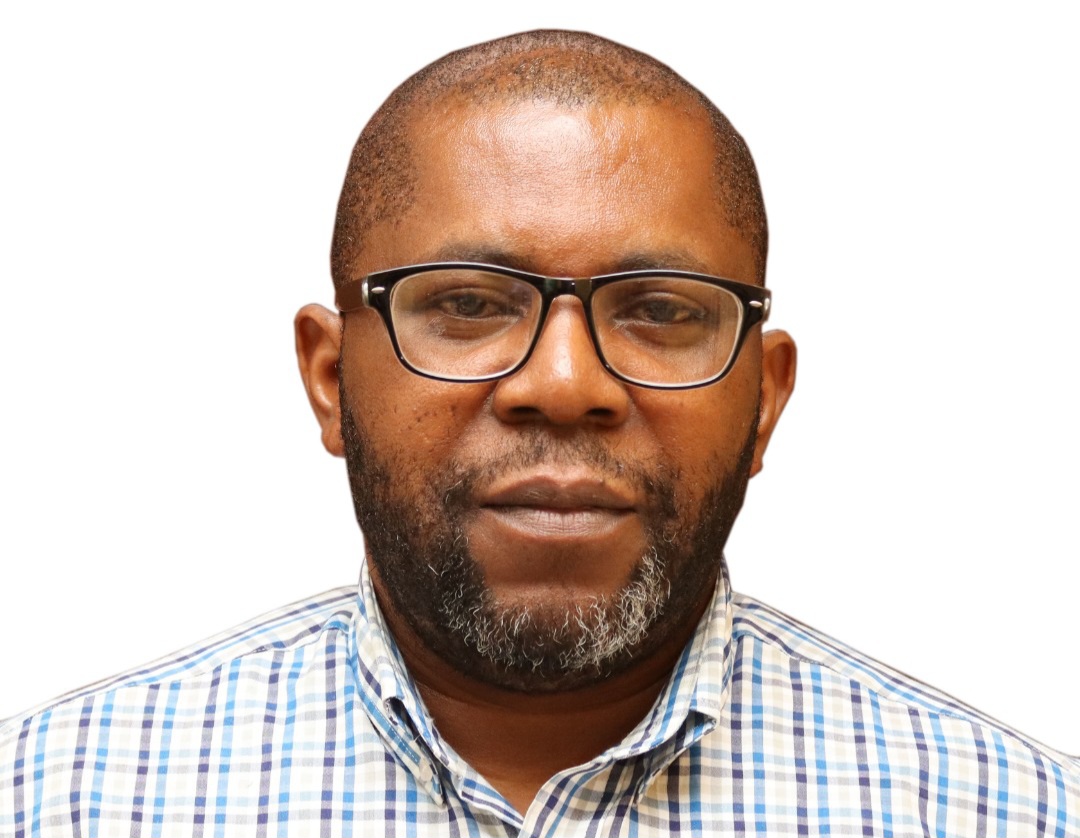
    By Kolawole Ogunbiyi 

    In many societies around the world, particularly in Africa, religion is deeply woven into the social and cultural fabric. Mosques and churches are filled with devout worshippers, and public discourse is frequently infused with appeals to moral values derived from religious teachings. Yet, paradoxically, these same societies are often plagued by high levels of corruption. This contradiction between religiosity and corruption invites serious reflection and urgent action.

    Nigeria is considered one of the most religious countries in the world to the extent that prayers are offered at the beginning and the close of almost every event organised by government institutions. A 2019 Pew Research study showed that over 95% of Nigerians consider religion very important to their lives. Yet, Nigeria continues to rank among the countries most affected by corruption, according to Transparency International’s Corruption Perceptions Index.

    The paradox is not confined to Nigeria alone; across many parts of the world, societies that are outwardly religious often suffer from institutional decay, looting of public funds, abuse of power, and erosion of public trust. This raises a disturbing question: How can deeply religious communities tolerate and even perpetuate such systemic wrongdoing?

    Religious institutions are meant to serve as moral beacons—spaces where integrity, humility, and justice are upheld above wealth or power. Many people practice religion as a ritual or identity marker rather than as a moral compass. Public displays of faith—prayers, fasting, donations are sometimes treated as substitutes for ethical living. In such cases, religion becomes a performance, rather than a force for integrity and justice.

    Some religious adherents separate private morality from public ethics. A person may be generous in his/her personal life but still engage in fraud at work, rationalising it as a necessary evil or blaming the system. This compartmentalisation dilutes the holistic message of most religions, which call for consistency between belief and conduct.

    Some religious leaders, either out of fear or complicity, avoid speaking against corruption or even benefit from it through gifts, tithes, fat offerings, support, zadakat and patronage from corrupt individuals. When religious institutions fail to hold their followers accountable, they inadvertently legitimise unethical behaviour. One of the most damaging of these practices is the public honouring of corrupt politicians and wealthy individuals through reserved front-row seating, prestigious religious titles, and exaggerated recognition during worship services.

    In many churches and mosques, front-row seats are informally reserved for politicians, wealthy donors, and influential individuals, regardless of the source of their wealth. These seats are not merely about visibility; they communicate moral endorsement. When a person widely associated with corruption is ushered into a place of honour during a sacred gathering, the message to the congregation is clear: wealth and influence matter more than integrity. Such practices blur the line between spiritual leadership and social patronage. They transform places of worship into arenas of status display, where honour is earned not through ethical conduct but through financial capacity and political connections.

    Beyond seating arrangements, religious titles have become tools for reputation laundering. Titles such as “Church Patron,” “Grand Donor,” “Pillar of Faith,” or similar honorary designations are often bestowed on individuals whose public records raise serious ethical concerns. Once such titles are conferred, they are used to shield individuals from criticism and elevate them as moral exemplars, despite credible allegations or evidence of corruption.

    For corrupt politicians and business figures, these honours provide social legitimacy. They signal acceptance, silence dissent, and discourage accountability. The religious institution, knowingly or unknowingly, becomes a platform for moral cleansing rather than moral correction. When religious leaders accept questionable donations without scrutiny, they compromise their moral authority. The institution shifts from being a conscience of society to an accessory to injustice. The consequences of these practices are profound. Young people, observing the celebration of corrupt individuals in sacred spaces, internalise a dangerous lesson: corruption pays, and religion can be used to sanitise wrongdoing. This erodes moral values, weakens social trust, and undermines efforts to build a culture of accountability.

    Faith loses its transformative power when it rewards unethical behaviour. Instead of inspiring integrity, it reinforces cynicism and normalises corruption. In many contexts, religion coexists with strong traditional systems that emphasise loyalty to kin, tribe, or class over accountability. This communal structure can discourage whistleblowing and reinforce corrupt practices, especially when perpetrators are seen as benefactors to their communities.

    For religion to play a constructive role in curbing corruption, the religious leaders and scholars must emphasise the ethical foundations of faith. Preaching should focus not just on personal piety but on public responsibility. The story of Prophet Muhammad’s honesty in trade, or Jesus overturning the tables of corrupt money-changers in the temple, are powerful examples of faith challenging injustice. Religious institutions should adopt internal transparency mechanisms and avoid complicity with corrupt political and business elites. Faith-based organisations can lead by example in promoting integrity. Congregations can become spaces for civic education, anti-corruption campaigns, and grassroots mobilisation. Sermons, study groups, and interfaith forums can integrate messages about civic duty, good governance, and ethical leadership. Faith communities should support individuals who speak out against corruption, offering them protection, encouragement, and a moral safety net.

    It is time to reconcile religiosity with integrity. Religious devotion must not be measured only by external expressions of faith, but by internal conviction and ethical living. A society that kneels to pray but turns a blind eye to theft, nepotism, and injustice cannot claim to be truly godly. Corruption thrives in silence, but so does hope when ordinary people, guided by their conscience and faith, choose to act with courage and conviction.

    When religious institutions trade moral authority for financial comfort or political favour, they do more than encourage corruption—they legitimise it. Ending corruption in society requires not only strong government institutions but also courageous religious leadership willing to uphold integrity over influence. Faith must once again become a force that confronts corruption, not a sanctuary that conceals it.

    Kolawole Ogunbiyi, Esq., sent in this piece via ogunbiyikolawole@gmail.com

    Editor
    • Website

    Related Posts

    Igbo identity and the crisis of internal sabotage: Revisiting Chimamanda Adichie’s Igbo bu Igbo by Vitus Ozoke 

    March 16, 2026

    The warm chair: A quiet lesson in metabolism by Mukaila Kareem

    March 15, 2026

    A country without earthquakes — yet shaken by itself by Max Amuchie 

    March 15, 2026
    Editors Picks

    Scores injured as Abuja–Kaduna train derails

    March 16, 2026

    2027: Step down for Igbo president, groups urge Tinubu

    March 16, 2026

    Israeli president visits missile-hit home, warns Iran of ‘more havoc’ over cluster munitions attack

    March 16, 2026

    Igbo identity and the crisis of internal sabotage: Revisiting Chimamanda Adichie’s Igbo bu Igbo by Vitus Ozoke 

    March 16, 2026
    Latest Posts
    News

    Scores injured as Abuja–Kaduna train derails

    Politics

    2027: Step down for Igbo president, groups urge Tinubu

    International

    Israeli president visits missile-hit home, warns Iran of ‘more havoc’ over cluster munitions attack

    Subscribe to Updates

    Get the latest news from Ikenga Online.

    Advertisement
    Demo

    IkengaOnline is a publication of the Ikenga Media & Cultural Awareness Initiative (IMCAI), a non-profit organisation with offices in Houston Texas and Abuja.

    We're social. Connect with us:

    Facebook X (Twitter) Instagram YouTube LinkedIn WhatsApp RSS
    • Home
      • Igboezue
      • Hall of Fame
      • Hall of Shame
    • News
      • Other States
      • National
      • International
      • Interviews
      • Personalities
    • Abia
    • Anambra
    • Ebonyi
    • Delta
    • Enugu
    • Imo
    • Rivers
    • Politics
    • Opinion & Editorial
      • Editorial
      • Columnists
        • Osmund Agbo
        • Chido Onumah
        • Uche Ugboajah
        • Hassan Gimba
        • Edwin Madunagu
        • Rudolf Okonkwo
        • Azu Ishiekwene
        • Osita Chidoka
        • Owei Lakemfa
        • Chidi Odinkalu
      • Opinion
    • Special Reports
    • Art & Entertainment
      • Nollywood
      • Music
      • Ikengaonline Literary Series (ILS)
      • Life
      • Travels
    • Sports

    Subscribe to Updates

    Get the latest news from Ikenga Online.

    Facebook X (Twitter) Instagram LinkedIn WhatsApp RSS
    © 2026 Ikenga Online. Ikenga.

    Type above and press Enter to search. Press Esc to cancel.