

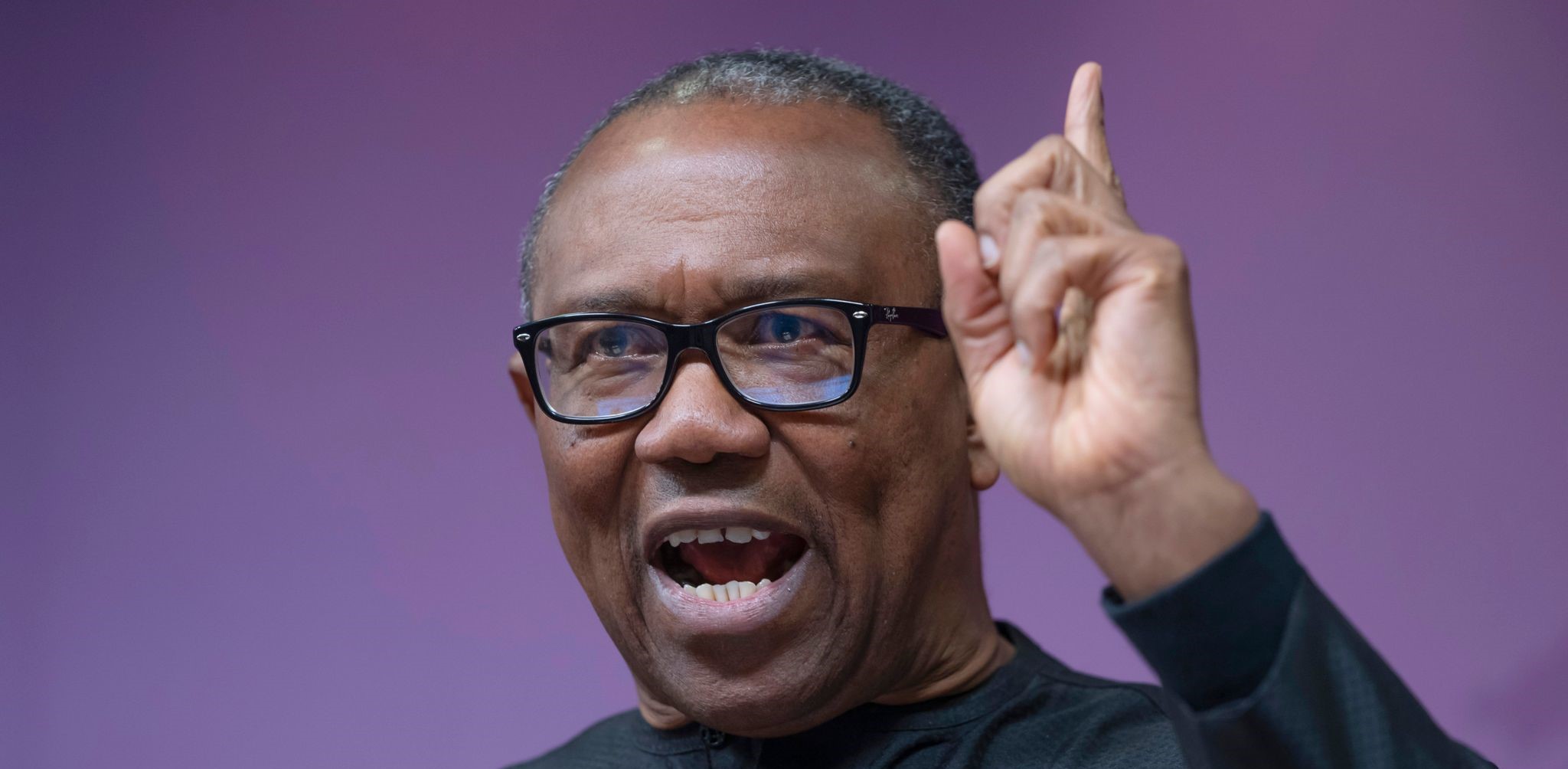
Our Reporter, Abuja
Former Anambra State Governor, Peter Obi, has cautioned that Nigeria cannot achieve prosperity by placing heavier tax burdens on an already impoverished population, arguing that “taxing poverty does not create wealth; it only deepens hardship.”
In a statement on Friday, Obi said his interactions with global leaders who have successfully transformed their nations reveal one consistent lesson: sustainable economic and social progress begins with national consensus built on honest leadership.
“As I travel the world and meet leaders who have transformed their nations, one lesson is clear: lasting progress starts with honesty and shared purpose,” Obi said.
“Government must be transparent and truthful. Citizens deserve nothing less.”
According to him, transformative leaders do not exploit citizens to enrich themselves or a small circle of allies, but instead focus on building trust, unity, and a collective vision—key foundations for long-term development.
Criticism of Nigeria’s Tax Approach
Obi said Nigeria’s current taxation approach falls short of these principles, stressing that taxation should operate as a social contract rooted in fairness, clarity, and concern for citizens’ welfare.
“Every tax policy must be clearly explained—its impact on incomes and its contribution to national development,” he said.
“Without transparency, taxation becomes a burden rather than a tool for growth.”
He argued that Nigerians are being asked to pay more taxes without sufficient explanation, accountability, or visible benefits, warning that such practices undermine national unity and economic progress.
‘You Cannot Tax Your Way Out of Poverty’
Emphasising the role of production and enterprise, Obi said true economic growth comes from empowering small and medium-sized enterprises (SMEs).
“The solution begins with supporting small businesses in every community,” he said.
“When they thrive, jobs are created, incomes rise, and the tax base expands naturally. You cannot tax your way out of poverty—you must produce your way out of it.”
Alarm Over Alleged Tax Law Irregularities
Obi also expressed deep concern over what he described as an unprecedented tax fraud saga, alleging that a tax law currently in force was not the version passed by the National Assembly.
“For the first time in Nigeria’s history, a tax law has reportedly been forged,” he said, noting that the National Assembly has acknowledged discrepancies between the law passed and the version gazetted.
He warned that asking citizens to pay higher taxes under such circumstances—without transparency or accountability—further erodes public trust.
Call for a People-Centred Tax System
“There is no virtue in celebrating increased government revenue while the people grow poorer,” Obi said.
“Any tax system that impoverishes citizens violates the principles of good governance and sound fiscal policy.”
He called for a fair, lawful, and people-centred tax system that supports production, rewards enterprise, protects vulnerable citizens, and rebuilds trust between the government and the people.
“Only then,” Obi concluded, “can taxation become a true instrument for unity, growth, and shared prosperity.”
