

Our Reporter, Abuja
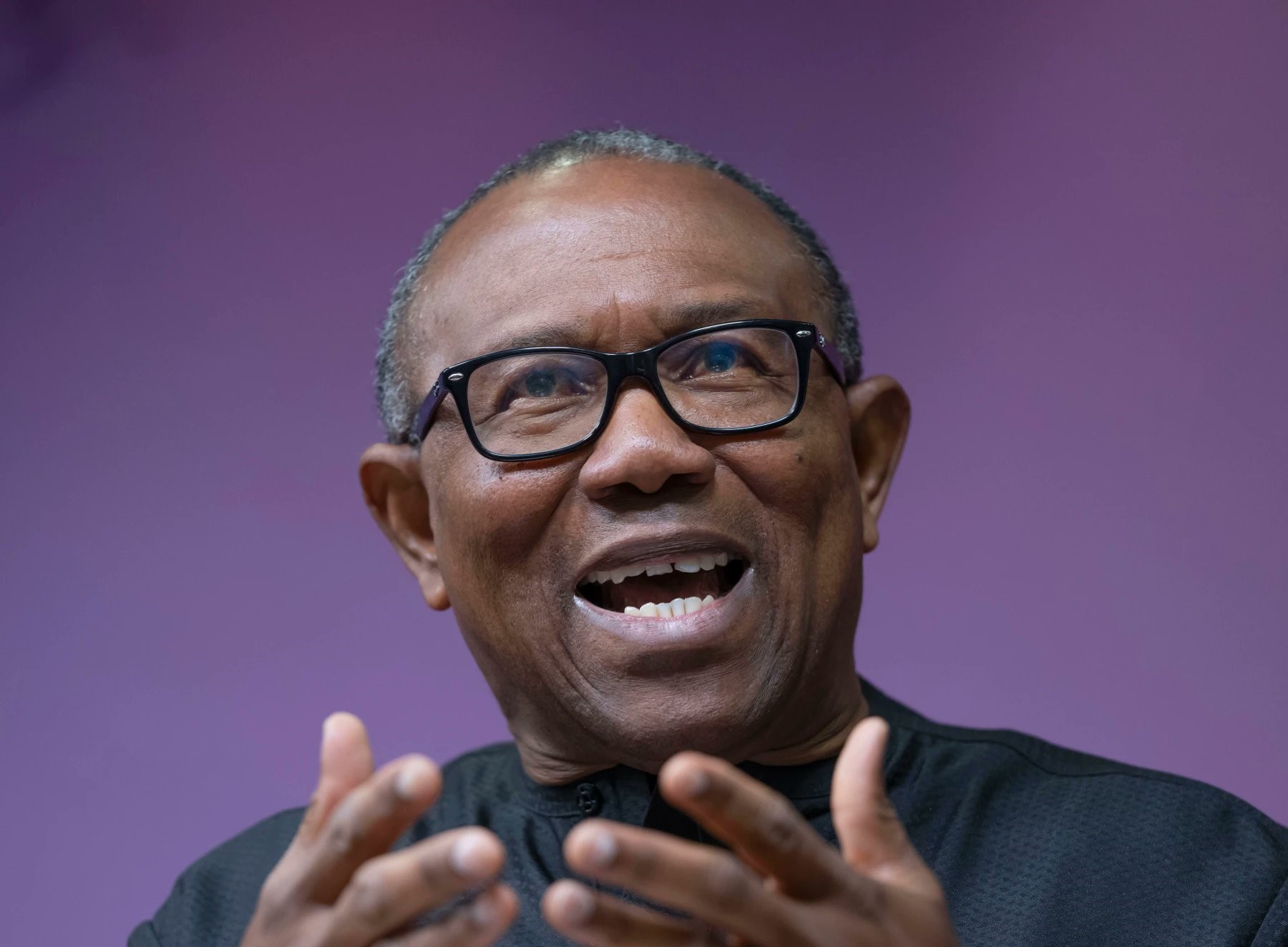
Former Anambra State Governor and African Democratic Congress (ADC) presidential aspirant, Mr. Peter Obi, on Wednesday criticised the Federal Government over what he described as an “alarming” approval of an estimated ₦8 trillion debt write-off for the Nigerian National Petroleum Company Limited (NNPC), warning that the move reflects a growing culture of financial recklessness.
In a statement, Obi said it was reported that the President approved the write-off of ₦5.57 trillion and $1.42 billion in debts owed by NNPC, despite the company’s recent announcement of profits and claims of improved corporate governance.
According to Obi, the decision raises serious concerns, especially as NNPC is currently facing audit queries over an alleged failure to account for ₦210 trillion—an amount he noted exceeds Nigeria’s combined federal budgets from 2023 to 2026.
“For context, the Federal Government’s budgets for these four years total about ₦178.56 trillion,” Obi said, listing annual budget figures ranging from ₦21.83 trillion in 2023 to an estimated ₦58.18 trillion for 2026.
He added that Nigerians were still awaiting the outcome of National Assembly investigations into the alleged missing funds, while the company also remains under scrutiny for trillions of naira reportedly spent on non-functional refineries.
Obi, a leading voice for accountability in Nigeria, questioned the rationale behind approving the debt write-off at a time when Nigerians are grappling with economic hardship following the removal of fuel and electricity subsidies.
“Nigerians, already enduring severe hardship, are now confronted with this unexplained debt forgiveness,” he said, arguing that the nearly ₦8 trillion write-off would effectively replace revenue the government is attempting to raise through what he described as unfair taxation.
He called on the government to provide a clear and transparent explanation for the decision, stressing that such a large sum could have been channelled into critical sectors of national development.
Obi noted that the amount exceeds the combined 2025 federal budget allocations for education, health and agriculture, which he put at ₦7.1 trillion, and is almost twice the proposed 2025 security budget of ₦4.9 trillion.
“In practical terms, this money alone could fully fund critical areas of development, lift millions out of poverty, and significantly reduce the over 130 million Nigerians currently living in poverty,” he said.
He further argued that the funds could be used to empower millions of unemployed youths and create jobs across the country’s 8,809 wards, helping to address unemployment and insecurity.
“The President, who is also the minister in charge, owes Nigerians clear answers,” Obi said.
“Citizens deserve honesty, fiscal discipline, and governance that protects their interests, not those of mismanaged corporations or political elites.”
He therefore urged the government to end what he described as a “betrayal of the people.”
