

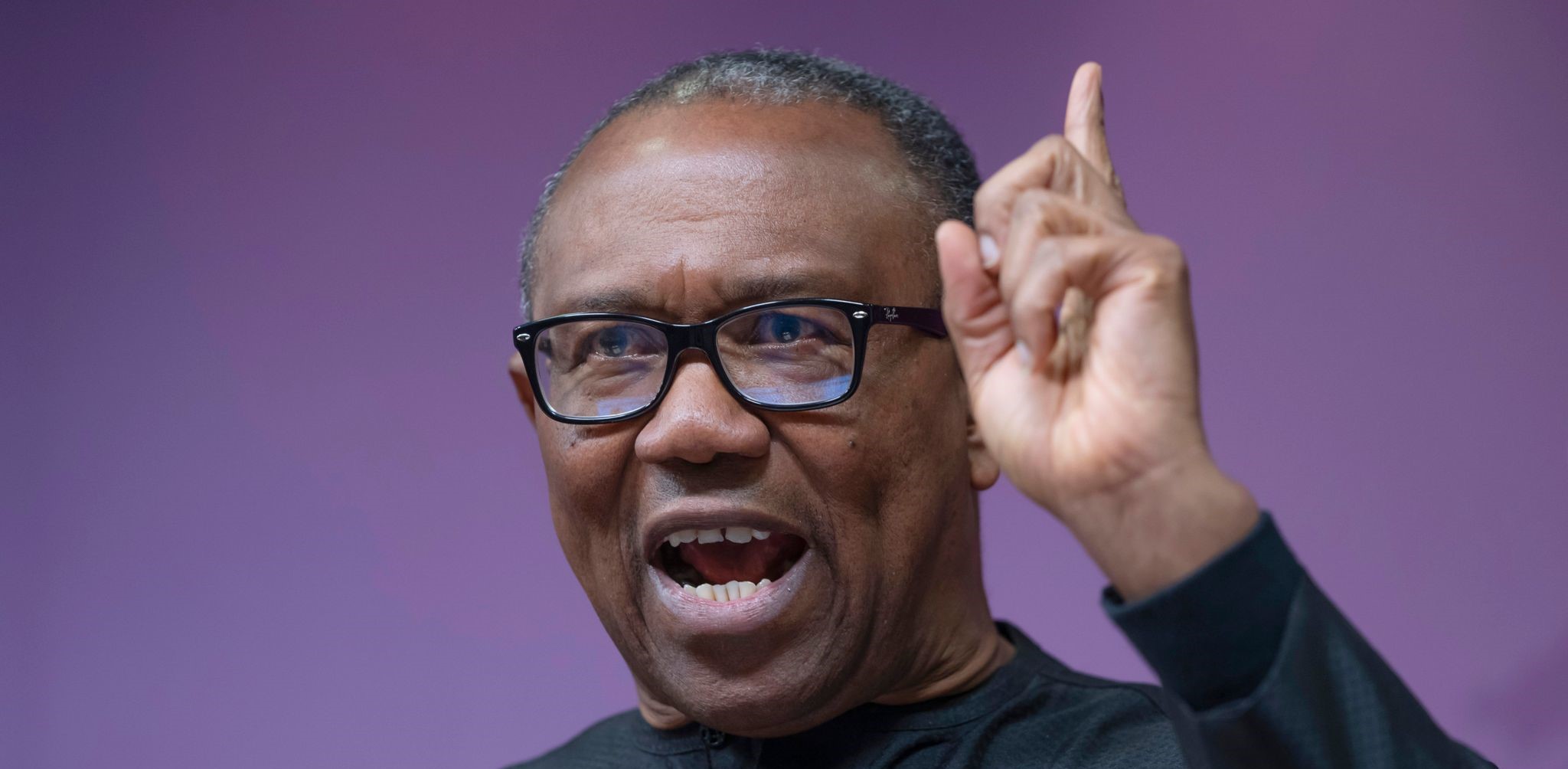
Stephen Ukandu, Umuahia
The 2023 presidential candidate of the Labour Party, Mr Peter Obi, has urged the Federal Government to halt the implementation of Nigeria’s newly gazetted tax laws, citing serious errors, inconsistencies, and gaps that could affect businesses and taxpayers.
Obi, who recently joined the African Democratic Party (ADC), in a statement posted on his X account, referred to a report by KPMG Nigeria which flagged potential issues, including the taxation of shares, dividend treatment, non-resident obligations, and foreign exchange deductions.
According to the former Governor of Anambra State, the report highlighted “31 critical problem areas, from drafting errors to glaring policy contradictions and administrative gaps.”
Obi said the issues were “so complex that they took private meetings between the National Revenue Service and KPMG for these serious issues to be acknowledged.”
Continuing, he said: “If experts require closed-door discussions to navigate the complexities of our tax laws, what hope does the average Nigerian have of comprehending the obligations being imposed on them?”
He argued that taxation represents a social contract between the government and citizens and stressed the lack of public consultation.
“Typically, months, if not years, are dedicated to consulting with businesses, workers, and civil society before tax drafts are presented for public discussion, with the ramifications clearly explained.
“Yet, in Nigeria, we have seen no such public consultations or discussions regarding the final tax laws, leaving ordinary citizens completely in the dark about both the regulations and the benefits of the taxes they’re expected to pay.”
He further criticised the government’s approach, saying: “We have hastily pursued collection without securing a consensus and imposed enforcement without providing adequate explanations.
“Even after the removal of subsidies, Nigerians remain in limbo, waiting for tangible benefits or relief. Instead, they are grappling with skyrocketing food prices, exorbitant transport costs, dwindling purchasing power, and escalating poverty levels.”
Obi described the new tax regime as “riddled with inconsistencies and producing 31 alarming red flags from a leading global accounting firm. This is not the hallmark of responsible governance. Without trust, taxation feels like punishment. Without clarity, it breeds confusion. Without evident public value, it amounts to robbery.”
He concluded that “Nigeria cannot afford to place further burdens on its already struggling citizens. What we need is a government that listens, communicates effectively, and prioritises building national consensus. This is the only viable path to genuine reform, unity, growth, and shared prosperity.”
Public outcry has trailed the new tax law since after a member of the House of Representatives raised an alarm that the gazetted version differed from what was passed by the National Assembly and transmitted to President Bola Tinubu for assent.
