

Stephen Ukandu, Umuahia
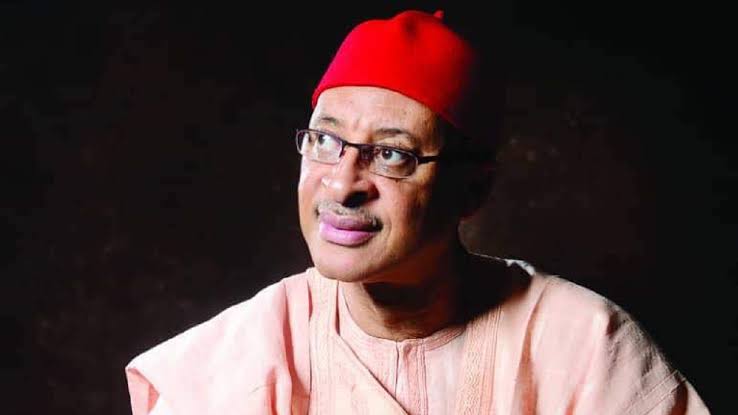
Renowned political economist Pat Utomi has condemned President Bola Tinubu’s assent to the Electoral Act 2026 (Amendment), describing it as a grave setback for Nigeria’s democracy and a direct confrontation between the political elite and the citizenry.
In a series of posts on X on Wednesday, Utomi said the signing of the amended law marked a dangerous turning point for the country, warning that democratic freedoms were being eroded.
“The line is drawn. It is politicians in power versus the Nigerian people. Before us is life and death. Choose life that you may live,” he wrote.
Utomi accused leaders in both the executive and legislative arms of government of undermining the future of young Nigerians, alleging a coordinated effort to entrench power through the amendment.
“Our fathers fought colonizers. We confronted the military. Today’s youth will lose the future unless they contain yesterday’s men and entrepreneurs of power who masquerade as leaders in the National Assembly of Nigeria and the executive. They have technology and numbers on their side to fight this coup,” he said.
In another post, Utomi lamented what he described as a reversal of Nigeria’s democratic gains, declaring that the struggle for freedom had suffered a major blow.
“Back in the 1990s, I put my life on the line so that Nigeria may be free. Today, it is clear that freedom has been murdered,” he stated, calling on Concerned Professionals to rejoin the struggle against what he termed “advance election rigging.”
President Tinubu signed the amended Electoral Act into law at about 5 p.m. on Wednesday at the Aso Rock Presidential Villa, with top officials of the National Assembly in attendance.
The assent came less than 24 hours after the bill was passed by both chambers of the legislature.
The amendment has continued to attract sharp criticism from opposition parties and civil society organisations, many of which argue that it weakens electoral safeguards and effectively legalises manipulation ahead of the 2027 general elections.
They described the president’s action as a serious setback to Nigeria’s democratic development.
