

Lawrence Nwimo, Awka
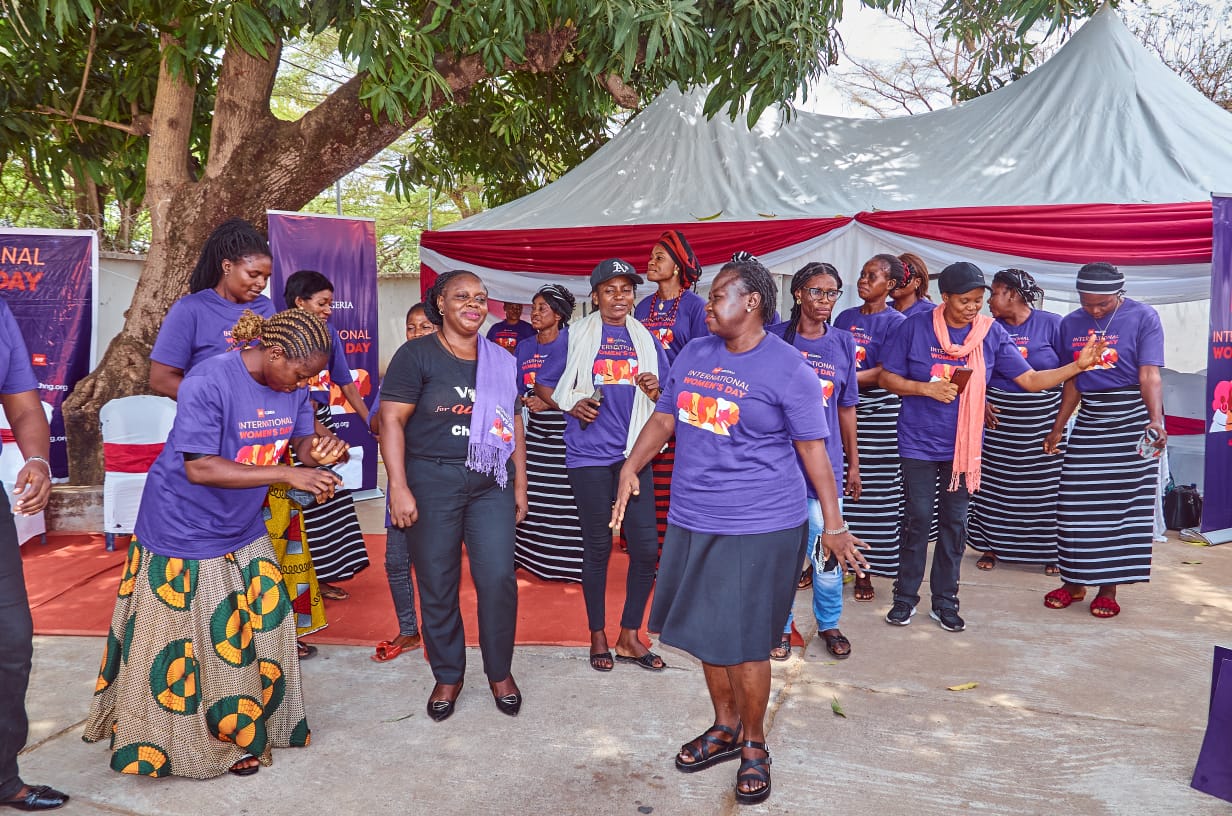
As part of activities marking International Women’s Day, the AIDS Healthcare Foundation (AHF) Nigeria is strengthening the capacity of health workers to better respond to the unique challenges women face in the fight against HIV/AIDS.
The organisation announced plans to hold Continuous Medical Education (CME) sessions for healthcare professionals across more than 156 health facilities where it supports HIV services in seven states — the Federal Capital Territory, Akwa Ibom, Anambra, Benue, Cross River, Kogi and Nasarawa.
According to the organisation, the training will focus on helping health workers understand the gendered dimensions of the HIV/AIDS pandemic and how to provide more responsive care for women, particularly those living in rural communities.
Health experts say women and girls remain disproportionately affected by HIV in sub-Saharan Africa, accounting for more than 60 per cent of new infections. This, they say, is often linked to structural barriers such as poverty, gender-based violence and limited access to healthcare and reproductive health services.
Through the training programme, AHF Nigeria hopes to equip frontline healthcare providers with practical strategies to support women living with, or at risk of, HIV, while improving access to treatment, counselling and prevention services.
The Country Programme Director of AHF Nigeria, Dr Echey Ijezie, said the organisation is committed to ensuring that women and girls receive the attention they deserve in healthcare interventions.
“AHF Nigeria places enormous value on women and girls in society, and this is reflected in the way our programmes are designed to directly impact them,” he said.
He noted that strengthening the knowledge and capacity of healthcare providers is a critical step toward improving outcomes for women affected by HIV.
Beyond training health workers, AHF Nigeria is also using the occasion of International Women’s Day to draw attention to broader issues affecting women’s health and wellbeing.
The organisation highlighted persistent challenges such as gender-based violence, income inequality, limited educational opportunities and lack of access to menstrual health products, all of which continue to undermine the dignity and opportunities of millions of women and girls.
AHF said addressing these issues requires coordinated action from governments, policymakers, civil society groups and community leaders.
The organisation also reiterated its commitment to supporting programmes that empower women, including expanding access to HIV testing and treatment, distributing menstrual hygiene products and advocating policies that protect women’s rights.
According to AHF, this year’s campaign message, “Give to Gain,” underscores the idea that investing in women and girls produces far-reaching benefits for families, communities and national development.
AHF Nigeria stressed that when women are supported with the right resources, education and healthcare services, the impact extends beyond individuals to strengthen entire societies.
As the world reflects on the progress made and the challenges that remain, the organisation urged stakeholders to move beyond promises and take concrete steps to ensure women and girls are not left behind in the global HIV response.
