

Lawrence Nwimo, Awka
Ahead of the 2027 general elections, stakeholders in the South-East have called for increased investment in women’s leadership development to enhance their participation in politics and ensure fair representation.
They noted that such efforts would help bridge the significant gender gap in governance and foster more inclusive decision-making processes in the region and beyond.
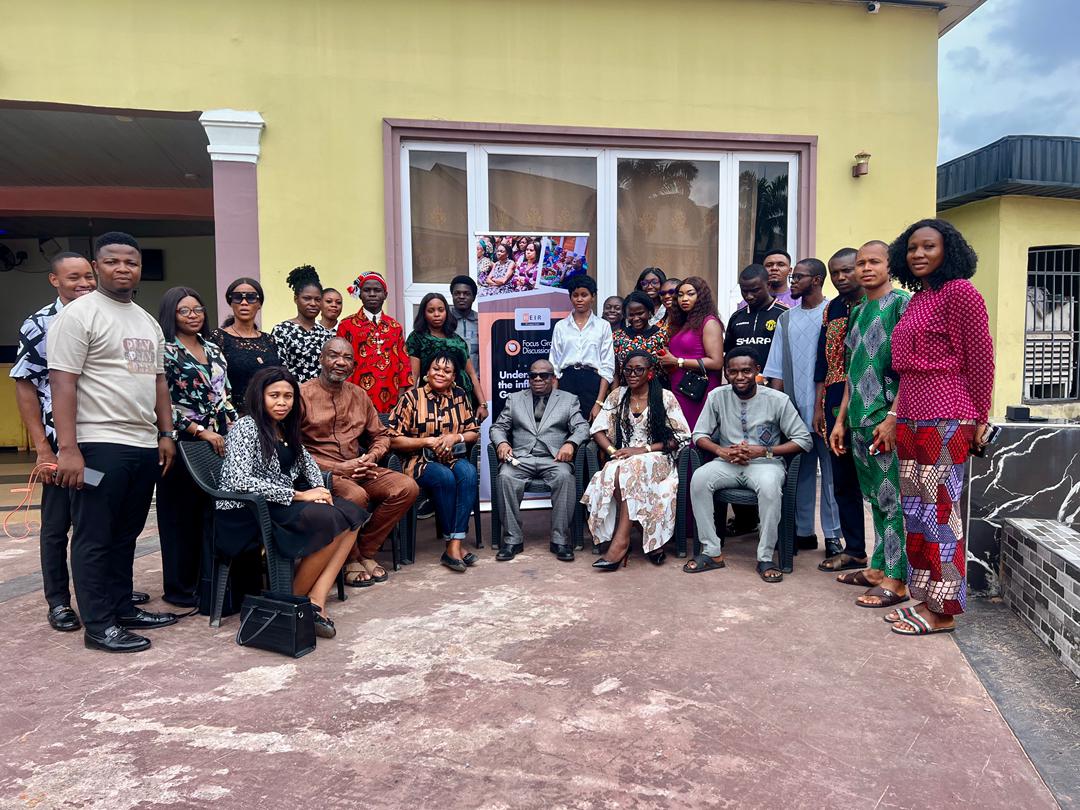
The call was made on Thursday during a focus group discussion in Awka themed: “Understanding the Influence of Gender Norms on Women’s Leadership in South-East Nigeria.”
The event was organised by HEIR Women Hub, a non-governmental organisation focused on advancing social inclusion, disability rights, and gender balance through strategic partnerships, advocacy, and private sector engagement.
Declaring the event open, the Executive Director of HEIR Women Hub, Añuli Aniebo, said Nigeria’s political landscape is marked by a significant gender gap, with women grossly underrepresented at federal and state levels.
She said: “Women are underrepresented across legislative and executive levels of governance, with only 20 women out of 469 members in the National Assembly.
“In the South-East, the situation is even more concerning, with only five female legislators in total, while two states—Abia and Imo—have no female representation in their State Houses of Assembly.
“The Senate has 3.7 per cent female representation, while the House of Representatives has 4.4 per cent. Executive representation is also limited, with only two female deputy governors across the region.”
Aniebo said the imbalance underscores the urgent need for deliberate action, including strengthening support for female candidates, promoting inclusive political policies, and ensuring gender equity in governance.
Also speaking, a representative of the Anambra State Ministry of Justice, Chinenye Nwigwe, highlighted how fear, stigma, and social bias continue to silence women.
She lamented that women in the South-East still face significant barriers to political participation, driven by cultural norms and entrenched political structures.
However, she expressed optimism over gradual progress, noting increased female representation in administrative roles such as Permanent Secretaries, Directors, and heads of ministries and agencies, despite low political representation.
Other stakeholders at the event emphasised that increasing women’s participation in governance is critical to achieving equitable development and strengthening democratic institutions.
They noted that inclusive leadership promotes balanced policymaking, improved social outcomes, and more resilient democratic systems.
