
Close Menu
Ikenga Online
    What's Hot

    Abubakar Malami: Chief law officer as lawbreaker by Chido Onumah 

    February 14, 2026

    2027 Election timetable: Clarify result transmission plans – ADC urges INEC 

    February 13, 2026

    Otti unveils iconic Omenuko Bridge, vows to resist attempts to return Abia to ‘era of deceit’

    February 13, 2026
    Facebook X (Twitter) Instagram
    Ikenga Online
    Facebook X (Twitter) Instagram YouTube
    Donate
    • Home
      • Igboezue
      • Hall of Fame
      • Hall of Shame
    • News
      1. Other States
      2. National
      3. International
      4. Interviews
      5. Personalities
      6. View All

      Kole Shettima, others to be turbaned by Machina Emirate

      January 26, 2026

      APC makes it 29 governors as Yusuf defects with 22 Kano lawmakers

      January 26, 2026

      Abduction of 172: Soldiers blocking access to Kaduna community, rights group alleges

      January 20, 2026

      RULAAC petitions Lagos CP over alleged unlawful detention, abuse of police powers

      January 18, 2026

      2027 Election timetable: Clarify result transmission plans – ADC urges INEC 

      February 13, 2026

      2027 general election: INEC fixes presidential polls on Feb 20, governorship on March 6 

      February 13, 2026

      2027 polls: INEC seeks N873bn, proposes N171bn 2026 budget

      February 12, 2026

      RULAAC petitions PSC over alleged extortion, retaliatory prosecution by Ogun DPO

      February 12, 2026

      US lawmakers propose visa ban, asset freeze on Kwankwaso, Miyetti Allah over alleged Christian genocide

      February 11, 2026

      Banditry: US finally deploys troops to Nigeria

      February 4, 2026

      Nnamdi Kanu conferred honorary citizenship of Georgia, USA

      January 24, 2026

      US delivers military supplies to Nigeria

      January 13, 2026

      Slash jumbo salaries to pay minimum wage, Bishop tells Tinubu

      June 19, 2024

      Nigeria remains a country in crisis that needs to heal – Chido Onumah

      January 24, 2024

      The Ekweremadus: Obasanjo writes UK court, seeks pardon for them

      April 5, 2023

      I’m coming with loads of experience to re-set Abia – Greg Ibe

      February 1, 2023

      Anambra-born Ugochi Nwizu shines as UNN best graduating doctor with multiple distinctions

      September 29, 2023

      Bulwark for women, girls: Meet Ikengaonline September town-hall guest speaker, Prof Joy Ezeilo

      September 27, 2023

      Rufai Oseni, the most dangerous man on Nigerian TV by Okey Ndibe

      February 13, 2023

      Stanley Macebuh: Unforgettable pathfinder of modern Nigerian journalism by Uzor Maxim Uzoatu

      February 7, 2023

      2027 Election timetable: Clarify result transmission plans – ADC urges INEC 

      February 13, 2026

      Otti unveils iconic Omenuko Bridge, vows to resist attempts to return Abia to ‘era of deceit’

      February 13, 2026

      2027 general election: INEC fixes presidential polls on Feb 20, governorship on March 6 

      February 13, 2026

      RULAAC urges Imo CP to probe alleged atrocities by vigilante leader in Njaba

      February 13, 2026
    • Abia

      Otti unveils iconic Omenuko Bridge, vows to resist attempts to return Abia to ‘era of deceit’

      February 13, 2026

      Michael Okpara’s kinsmen endorse Otti for second term

      February 13, 2026

      Remodelling: No trader will lose shop, Otti assures Aba traders

      February 13, 2026

      Otti receives NDDC torch of unity, reaffirms commitment to sports excellence

      February 12, 2026

      Globacom offices in Abia sealed over alleged ₦4bn tax default

      February 12, 2026
    • Anambra

      FG committed to building transformative infrastructure – Umahi

      February 12, 2026

      80 Anambra students receive full scholarships for JAMB, WAEC registrations

      February 6, 2026

      CVR: INEC registers 4,423 in Anambra, calls for increased participation

      February 4, 2026

      SWAN praises Soludo’s sports investment, calls for sector reforms

      February 4, 2026

      Onitsha main market reopens after one-week shutdown by Soludo

      February 2, 2026
    • Ebonyi

      Killings: Nwifuru orders Amasiri to return severed heads or face stiffer sanctions

      February 10, 2026

      Three children stolen in Abakaliki by unidentified women

      February 8, 2026

      S’East receiving unprecedented federal attention under Tinubu – Umahi

      February 8, 2026

      Nwifuru sets three-month deadline for projects, orders rural electrification — Omebe

      February 5, 2026

      Army debunks alleged killing of two soldiers in Amasiri/Oso Edda crisis

      February 4, 2026
    • Delta
    • Enugu

      1.5m children receive measles, rubella vaccines in one week — Report

      February 12, 2026

      Encomiums at Sen Okey Ezea’s night of tribute in Enugu

      February 11, 2026

      Ohanaeze: Igbo youths condemn fake news, demand investigation into threat statement

      February 8, 2026

      NBA president decries high-level of corruption among judicial officers

      February 7, 2026

      1,500 persons benefit from NAS medical outreach in Enugu community

      February 7, 2026
    • Imo

      RULAAC urges Imo CP to probe alleged atrocities by vigilante leader in Njaba

      February 13, 2026

      Akagburuonye @ 60: Ex-Eagles stars storm Mbaise to honour humanitarian

      February 13, 2026

      RULAAC petitions Imo attorney-general over alleged torture, sexual abuse of trainee nurse

      January 25, 2026

      Reporters’ diaries: S-East governors earn praise for rural road improvements

      January 6, 2026

      Rights advocates warn of threats over tiger base accountability campaign

      December 22, 2025
    • Rivers

      Ohanaeze inaugurates committee on Igbo strategic engagement

      February 2, 2026

      Rivers assembly vows to proceed with Gov Fubara, deputy’s impeachment process 

      January 16, 2026

      Financial disagreements fuel impeachment moves against Fubara — Aide alleges

      January 16, 2026

      The Tinubu I know will not discard Wike for Fubara — Fayose

      January 13, 2026

      APC rejects moves to impeach Gov Fubara

      January 8, 2026
    • Politics

      2027 Election timetable: Clarify result transmission plans – ADC urges INEC 

      February 13, 2026

      2027 general election: INEC fixes presidential polls on Feb 20, governorship on March 6 

      February 13, 2026

      Michael Okpara’s kinsmen endorse Otti for second term

      February 13, 2026

      2027 polls: INEC seeks N873bn, proposes N171bn 2026 budget

      February 12, 2026

      Atiku camp dismisses Fayose’s claims as ‘fabricated beer parlour tales’

      February 12, 2026
    • Opinion & Editorial
      • Editorial
      • Columnists
        • Osmund Agbo
        • Chido Onumah
        • Uche Ugboajah
        • Hassan Gimba
        • Edwin Madunagu
        • Rudolf Okonkwo
        • Azu Ishiekwene
        • Osita Chidoka
        • Owei Lakemfa
        • Chidi Odinkalu
      • Opinion
    • Special Reports
    • Art & Entertainment
      • Nollywood
      • Music
      • Ikengaonline Literary Series (ILS)
      • Life
      • Travels
    • Sports
    Ikenga Online
    Home » Does social media affect your voting? By Azu Ishiekwene
    Azu Ishiekwene

    Does social media affect your voting? By Azu Ishiekwene

    EditorBy EditorJuly 27, 2023No Comments8 Mins Read
    Azu Ishiekwene


    By Azu Ishiekwene

    When I first voted in an election in Nigeria in 1983, the Internet was just newly born. It had not even been properly named. 

    Forty years later when I voted for the fifth time, my daughter who attained voting age only 13 years ago and has since voted only once, as far as I know, was telling me from thousands of miles away, where she now lives with her family, how she thought I should have voted and for who. I laughed.

    This was by no means a unique experience. A very close friend and managing director of one of Nigeria’s leading media houses told me at the height of the 2023 elections that the politics of who to vote for and why so polarised his home that he had to convene a family meeting where it was decided that all political talk was off limits until after the elections.

    As a teenager in 1977 when I followed my parents to the airport to see off my aunt to the UK, there were roughly 120k phone lines in Nigeria. And such luxury well beyond a kid like me from a poor family severely limited not just what I could say to my aunt for many years after she left, but also the speed and frequency.

    Today, it’s a different world!

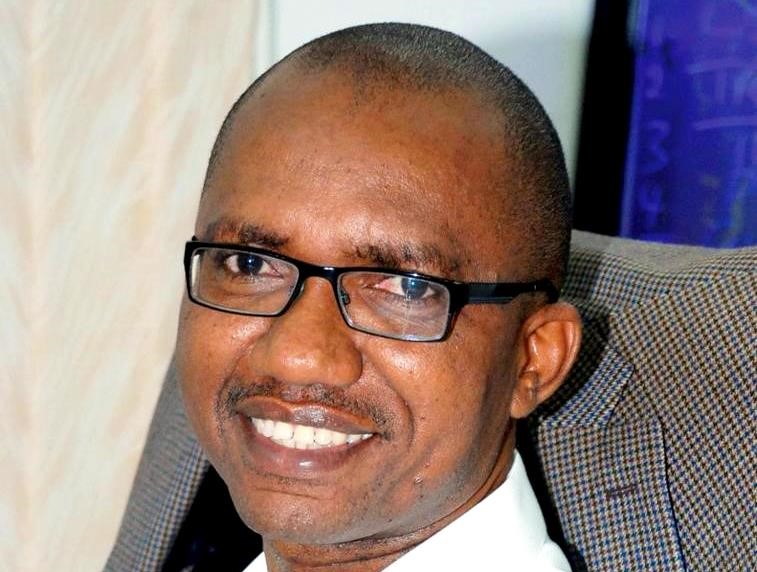
    A new book by Niyi P. Ibietan, the fruit of his doctoral research, and entitled, Cyber Politics: Social Media, Social Demography and Voting Behaviour in Nigeria, deals with this fraught, long-standing debate.

    Seventy-five years ago, or so, when Paul Lazarsfeld and others took this question to the streets of North Carolina after the US Presidential election to ascertain what influences voter behaviour in what is now famously called the Columbian studies, the researchers concluded that media and campaigns have minimal effects on voters. 

    Or to adapt Bernard Cohen’s famous phrase, the press was increasingly vital in awareness and relevance, but not necessarily in voter behaviour and attitude.

    Before Lazarsfeld and others conducted the Columbian studies, contributions from social psychology in the 1930s, especially following the impact of Hollywood which was then on the rise, and Hitler’s exceptional propaganda in the War, had created the impression that people were like “sitting ducks” for information, or what in technical jargon was the “Hypodermic Needle” theory. 

    The social context for it in Europe at the time was that it was unlikely for Hitler, especially, to have succeeded, if individuals had not become isolated, atomised and left completely vulnerable to the “bullet” of propaganda.

    By the time Marshall McLuhan wrote the Gutenberg Galaxy (1962), expressing the view that instantaneous communication would undermine geographically based power imbalances, the world had almost gone full circle from Laswell to Lazarsfeld, Melvin DeFleur and other scholars whose studies showed that social factors also play a role in mediating information.

    So, what is the point of Ibietan’s Cyber Politics? 

    He not only examines earlier studies on the impact of social factors, including peer, opinion leader and family influences on voter behaviour, he also sets out the broad objectives of the book, raising issues that are both specific and contemporaneous in value.

    In other words, instead of leaving the reader wondering what happened on the streets of North Carolina in Lazarsfeld’s studies decades ago and how that affects him in Gwagwalada, Abuja, Cyber Politics uses Nigeria’s 2015 general elections as anchor. 
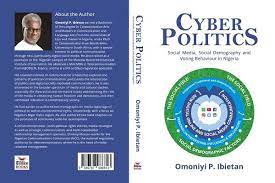
    It explores, among other things, the question of whether political conversations amongst Nigeria’s estimated 33 million active social media users, especially the influencers as of 2021 had any significant impact on the outcome of the 2015 election. 

    Interestingly, the winner of that election, President Muhammadu Buhari, thought social media helped him win. Did it, really? And could it mean that President Goodluck Jonathan who in 2011 actually announced his intention to run for president on Facebook, lost momentum four years later in that space? Or were there other factors for Buhari’s victory?

    What commends Cyber Politics, is its laser-beam focus on the role of three pre-selected social media platforms – Facebook, Twitter and WhatsApp – on voter behaviour especially in the election under reference. 

    Whatever anyone says, I suspect politicians believe that social media works. Whether it counts at the ballot is another matter – and of course, the subject of this book. 

    What do I mean? When it became obvious during the 2023 general elections that political ads were not coming to LEADERSHIP as projected, for example, I called folks in the campaign of one of the major parties to ask why.

    “Well, sorry,” one of the seasoned media guys on the campaign told me.

    “We’re doing more on social media now.”

    I was scandalised that folks who had built their careers in the mainstream and whom we were banking on would leave us high and dry! But I understood, even if I did so with a heavy heart! Why? A BBC online report www.bbc.co.uk/bitesize/guides/zd9bd6f/revision/7 said, “Politicians are investing heavily in the use of websites, blogs, podcasts and social networking websites like Facebook and Twitter as a way of reaching voters.”

    “During the 2019 election campaign,” the BBC report continued, “the Conservatives spent one million pounds on Facebook alone, at a point, running 2,500 adverts.”

    As of the time of writing, my anecdotal research in the mass communication curriculum of the University of Lagos; Ahmadu Bello University; and the University of Nigeria, turned up virtually no current locally authored full-length texts in cyber politics. 

    In light of the exponential growth in social media adoption and use in the last few years, two election cycles after 2015, COVID-19 and #Endsars, students, researchers and scholars would find Cyber Politics a valuable resource material.

    As a journalist, for example, shouldn’t I be concerned about the emergence of social media as the “Fifth Estate of the Realm,” a prospect that the author raised in his book?

    Would this new estate, in which users are both producers and consumers of information, displace the Fourth Estate, especially if as Time Magazine said in its February 5, 2009 edition, journalism was already in its death throes? 

    Well, it’s nearly a decade and a half since, and we have seen that the death of journalism was perhaps slightly exaggerated. Convergence has also taught us that it is possible for the Fourth – and perhaps the Fifth – Estates not only to coexist, but also to be mutually reinforcing. 

    Cyber Politics helps the voter ponder if the social networks they belong to or the influencers they follow have any potential effects on their political behaviour either in terms of mobilisation or their actual voting decisions. Sometimes we think we’re our own man, until we realise like Pavlov’s dog, that someone somewhere might be pulling the strings. 

    The author makes the important point that “social” did not start with the Internet – after all man is a ‘social’ animal. What the Internet or technology has done, however, is to put a seal on our global village.

    But is it true that social media influencers are “motivated to undertake organised campaigns during the election using their platforms, largely due to the need to bring about a better social order?” It does appear to me (and perhaps this was unique to the 2023 elections) that social media influencers were just a force for good as they were a force for mayhem. 

    The sludge of fake news sometimes unleashed by so-called influencers, not to mention toxicity of the avatars in that space who often insisted it was either their way or the highway, left people like me bereft and alienated. 

    What about the adverse role of Big Tech in privacy breaches and data manipulation – I’m speaking of course about Meta’s $725 million settlement over the Cambridge Analytica scandal and Elon Musk’s $44 billion Twitter adventure! Were these also motivated by a desire to do good? It would be interesting to see how Cyber Politics 2.0 or any other research into the 2023 election explores these episodes.

    Yet, whatever Cyber Politics or any other text on voter behaviour may say to politicians, our politicians, while they may keep one eye on social media they will, as Joseph Stalin famously said, keep the other eye on “the people who count the vote!”

    Politicians can also not be too far from the millions of voters in remote villages and influencers currently out of the social media loop, who still speak in tongues other than clicks and bytes. 

    Yet, even that landscape is changing slowly. What Ibietan does in his book is to help us understand, and perhaps, better navigate an evolving social space where a simple networked device is fundamentally affecting our shared values and interests.

    Ishiekwene is the Editor-In-Chief of LEADERSHIP (This is an abridged version of the review of the book, Cyber Politics – Social Media, Social Demography and Voting Behaviour in Nigeria. Read in full: www: azuishiekwene.com)

    Editor
    • Website

    Related Posts

    Abubakar Malami: Chief law officer as lawbreaker by Chido Onumah 

    February 14, 2026

    US-Nigeria relations: The partnership of the hawk and the hen by Owei Lakemfa 

    February 13, 2026

    FGM, culture and a dangerous lie, by Cheta Nwanze

    February 11, 2026
    Editors Picks

    Abubakar Malami: Chief law officer as lawbreaker by Chido Onumah 

    February 14, 2026

    2027 Election timetable: Clarify result transmission plans – ADC urges INEC 

    February 13, 2026

    Otti unveils iconic Omenuko Bridge, vows to resist attempts to return Abia to ‘era of deceit’

    February 13, 2026

    US-Nigeria relations: The partnership of the hawk and the hen by Owei Lakemfa 

    February 13, 2026
    Latest Posts
    Chido Onumah

    Abubakar Malami: Chief law officer as lawbreaker by Chido Onumah 

    Politics

    2027 Election timetable: Clarify result transmission plans – ADC urges INEC 

    Abia

    Otti unveils iconic Omenuko Bridge, vows to resist attempts to return Abia to ‘era of deceit’

    Subscribe to Updates

    Get the latest news from Ikenga Online.

    Advertisement
    Demo

    IkengaOnline is a publication of the Ikenga Media & Cultural Awareness Initiative (IMCAI), a non-profit organisation with offices in Houston Texas and Abuja.

    We're social. Connect with us:

    Facebook X (Twitter) Instagram YouTube LinkedIn WhatsApp RSS
    • Home
      • Igboezue
      • Hall of Fame
      • Hall of Shame
    • News
      • Other States
      • National
      • International
      • Interviews
      • Personalities
    • Abia
    • Anambra
    • Ebonyi
    • Delta
    • Enugu
    • Imo
    • Rivers
    • Politics
    • Opinion & Editorial
      • Editorial
      • Columnists
        • Osmund Agbo
        • Chido Onumah
        • Uche Ugboajah
        • Hassan Gimba
        • Edwin Madunagu
        • Rudolf Okonkwo
        • Azu Ishiekwene
        • Osita Chidoka
        • Owei Lakemfa
        • Chidi Odinkalu
      • Opinion
    • Special Reports
    • Art & Entertainment
      • Nollywood
      • Music
      • Ikengaonline Literary Series (ILS)
      • Life
      • Travels
    • Sports

    Subscribe to Updates

    Get the latest news from Ikenga Online.

    Facebook X (Twitter) Instagram LinkedIn WhatsApp RSS
    © 2026 Ikenga Online. Ikenga.

    Type above and press Enter to search. Press Esc to cancel.