

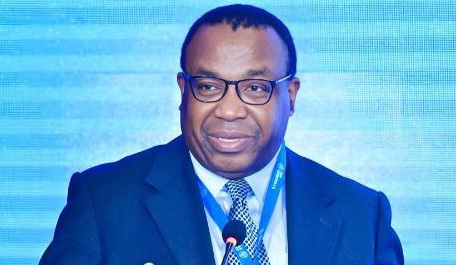
Our Reporter, Abuja
As the world commemorates Nelson Mandela International Day today, July 18, the United Nations Educational, Scientific and Cultural Organization (UNESCO) has called on individuals, communities, and governments to draw inspiration from Mandela’s enduring legacy—especially his belief in the transformative power of education.
In a statement issued to mark the occasion, Obijiofor Aginam, Director of the UNESCO Mahatma Gandhi Institute of Education for Peace and Sustainable Development (MGIEP), urged global stakeholders to embrace Mandela’s conviction that “education is the most powerful weapon which you can use to change the world.”
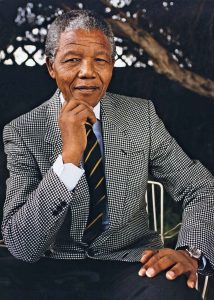
The UN General Assembly officially declared July 18—Mandela’s birthday—as Nelson Mandela International Day in November 2009, in recognition of the late South African President’s lifelong commitment to peace, justice, and human rights. The resolution acknowledges Mandela’s vital contributions to global democracy, racial reconciliation, conflict resolution, gender equality, children’s rights, and the fight against poverty.
“Mandela changed the 20th century and helped shape the 21st,” the statement read, echoing UNESCO’s annual tribute to the former statesman. “As the world celebrates Mandela Day 2025, let all peoples, governments, and societies be inspired by his vision.”
Aginam emphasized that education remains central to achieving peace and sustainable development, especially in today’s increasingly polarized and conflict-ridden world. He called on the international community to recommit to inclusive, equitable, and quality education as a catalyst for building just, resilient, and peaceful societies.
Mandela, who passed away in 2013, continues to be celebrated worldwide as a symbol of hope, resilience, and transformative leadership.
