

Our Reporter, Abuja
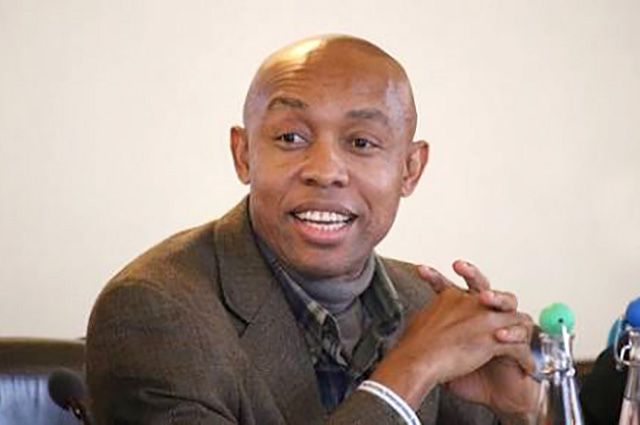
Professor Chidi Odinkalu has raised the alarm over the Supreme Court of Nigeria’s prolonged inaction on a critical case concerning the Emergency Rule in Rivers State, stating that the delay amounts to a decision in itself.
Odinkalu, a respected legal scholar and human rights advocate, took to social media on Friday to highlight what he described as a troubling stance by the Supreme Court. He noted that the refusal to even schedule a hearing is not a mere oversight but a significant ruling in its own right.
The case, designated as Suit No. SC/CV/329/2025, has been pending for over six months without a hearing date, prompting concerns about judicial priorities and the rule of law.
“It will go down in infamy in the annals of judicial politics in Nigeria,” Odinkalu said.
He contrasted the Rivers case with other recent matters handled swiftly by the apex court. For instance, Suit No. SC/CV/162/2023, which dealt with currency changes, was decided in just 30 days, while the case on local government autonomy (Suit No. SC/CV/343/2024) was resolved within 45 days.
“Suit No. SC/CV/162/2023 on currency change was decided on 3 March 2023 by @SupremeCourtNg. It took 30 days.
Suit No. SC/CV/343/2024, the LG autonomy case, decided on 11 July 2024, took 45 days to judgment.
Suit No. SC/CV/329/2025 on Rivers State Emergency has not been heard after six months+,” the former Chairman of the National Human Rights Commission (NHRC) wrote.
Legal experts and critics are increasingly worried that the lack of action on the Rivers case could undermine public confidence in the judiciary. Observers fear the implications of such inaction on governance and the rule of law, especially in a country where judicial efficiency is critical to sustaining democracy.
Odinkalu’s remarks echo growing public concern that the Supreme Court’s silence may be linked to political pressures or questions around judicial independence. Advocates are calling for greater transparency and urging the court to prioritize cases that directly affect governance and citizens’ rights.
Analysts warn that if and whenever the Supreme Court eventually hears the matter, the judgment may be seen as little more than an academic exercise.
