

Our Reporter, Abuja
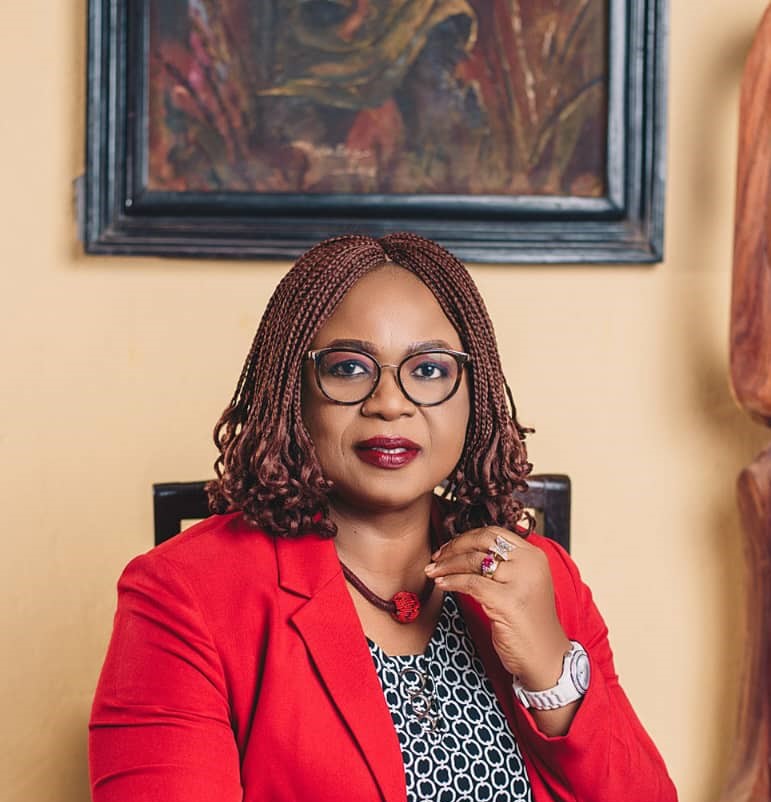
Founder of Women Aid Collective (WACOL) and former United Nations Special Rapporteur, Professor Joy Ezeilo, has lamented the poor representation of women in Nigeria’s parliament, noting that women occupy less than 5 percent of seats at both national and state levels.
In a social media post on Monday, Ezeilo described the situation as “alarming,” stressing that Nigeria still has a long way to go in achieving gender parity in governance. She spoke against the backdrop of comparative data from the Inter-Parliamentary Union’s 2023 database, which shows that many African countries have already surpassed the 30 percent benchmark for women in power and decision-making, set by the 1995 Beijing Declaration and Platform for Action (BDPA).
Rwanda tops the list, with women constituting 61.3 percent of its lower house and 34.6 percent of its upper chamber. South Africa follows with 46.2 percent representation in the lower house and 44.4 percent in the upper. Senegal records 46 percent, Namibia 44.2 percent in the lower house, Mozambique 43.2 percent, and Cape Verde 41.7 percent.
Other African nations also faring better than Nigeria include: Burundi (38.2% and 41%), Cameroon (34.5% and 29%), Uganda (33.8%), Angola (33.6%), South Sudan (32.4% and 32.1%), Zimbabwe (30.6% overall, with 44.2% in both houses), and Tanzania (37.4%).
Reacting to these figures, Ezeilo declared: “Faced with these sobering realities, Nigerian women across the country unite in strong support for the bold legislative action of the 10th National Assembly. The ongoing Constitution Review Process, particularly the proposed Special Seats Bill to amend the 1999 Constitution, signals a transformative step forward. I stand in solidarity with the women and men of goodwill in Nigeria to declare that now is the time for the Special Seats Bill.”
The Special Seats Bill, currently before the House of Representatives Constitution Review Committee, seeks to amend the 1999 Constitution to guarantee reserved legislative seats for women. Advocates believe the measure is necessary to break systemic barriers that have historically kept women out of mainstream politics.
At Monday’s public hearing in Abuja, Ezeilo said women groups and civil society organizations echoed the call, urging lawmakers to pass the bill and align Nigeria with global best practices on gender inclusion.
With less than 5 percent female representation, Nigeria continues to trail behind its African peers, even as its women push for a constitutional remedy to bridge the gap.
