

Our Reporter, Abuja
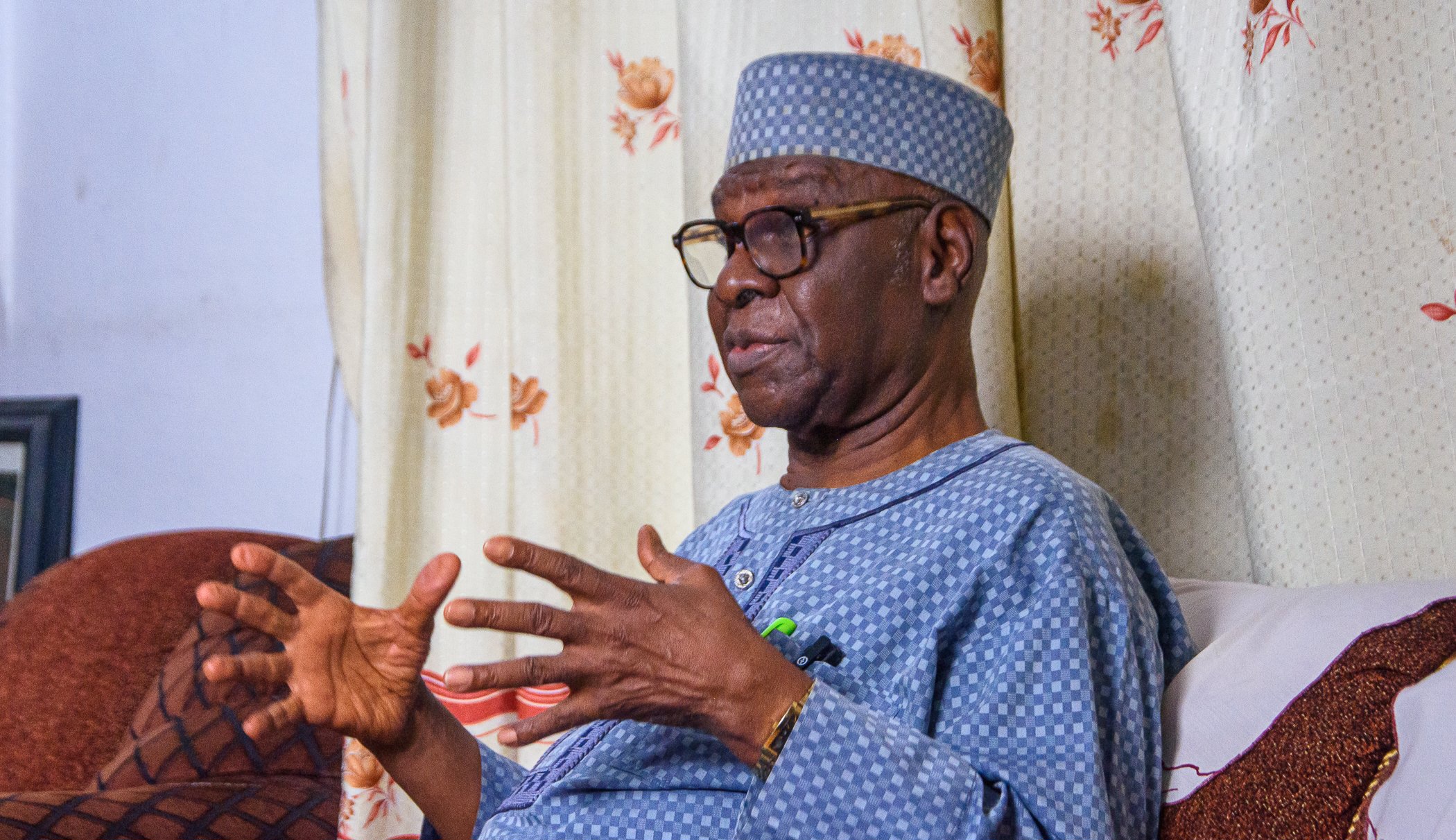
Former Minister of Finance and world famous economist, Dr. Kalu Idika Kalu, has cautioned that Nigeria cannot yet claim to have “turned the corner” economically despite President Bola Tinubu’s optimism in his Independence Day broadcast.
Speaking in an interview on Arise Television on Wednesday, Dr. Kalu said the president’s assertion that the worst was over and that hope was on the horizon must be weighed against Nigeria’s persistent structural challenges.
While commending Tinubu’s effort to inspire confidence, the former minister stressed that critical sectors such as security, infrastructure, power, education, and the rule of law remain in dire need of reform before any meaningful progress can be declared.
“Turning the corner is a very risky concept,” Kalu said.
“We should not delude ourselves. We need to take stock realistically and be tough on ourselves in assessing where we are and how far we still have to go.”
Kalu, who once headed the Ministries of Finance, Transport, and National Planning, outlined 11 broad areas he believes must be addressed holistically — from security and health to accountability, manpower development, and constitutional reforms. He argued that economic management cannot be separated from these wider governance and institutional issues.
On youth unemployment, which Tinubu described as a priority area, Kalu warned that the crisis must be tackled from the ground up, beginning with agriculture and manufacturing. He noted that Nigeria’s failure to sustain basic industries like textiles, steel, and paper due to policy inconsistencies has worsened joblessness among young people.
“You can’t just solve unemployment at the macro level by promising more jobs,” he said.
“We need to revive industries, invest in skills, and ensure our youths are properly equipped to create opportunities for themselves.”
The former minister also highlighted two critical failings — the stagnation of Nigeria’s power sector and the neglect of railway development. He agreed that 72 percent of the country’s existing rail lines were built before independence, while power generation has remained stuck at around 4,000–6,000 megawatts for decades despite vast energy resources.
“Without rail and power, there is no way we can say we have turned the corner,” Kalu declared.
“These are the foundations for growth. Until we get them right, progress will remain elusive.”
Despite his criticisms, Kalu insisted that Nigeria has the resources, manpower, and potential to overcome its challenges if reforms are pursued with discipline and long-term vision.
“We know we can do it. Our people are vibrant and trainable. Nigerians excel all over the world. But we must build the right structures at home to harness that potential,” he said.
President Tinubu had, in his Independence Day speech, defended his economic reforms — including subsidy removal and foreign exchange unification — claiming they had set Nigeria on the path to recovery. But Kalu’s intervention underscores skepticism among economic experts about the depth and direction of the administration’s policies.
