

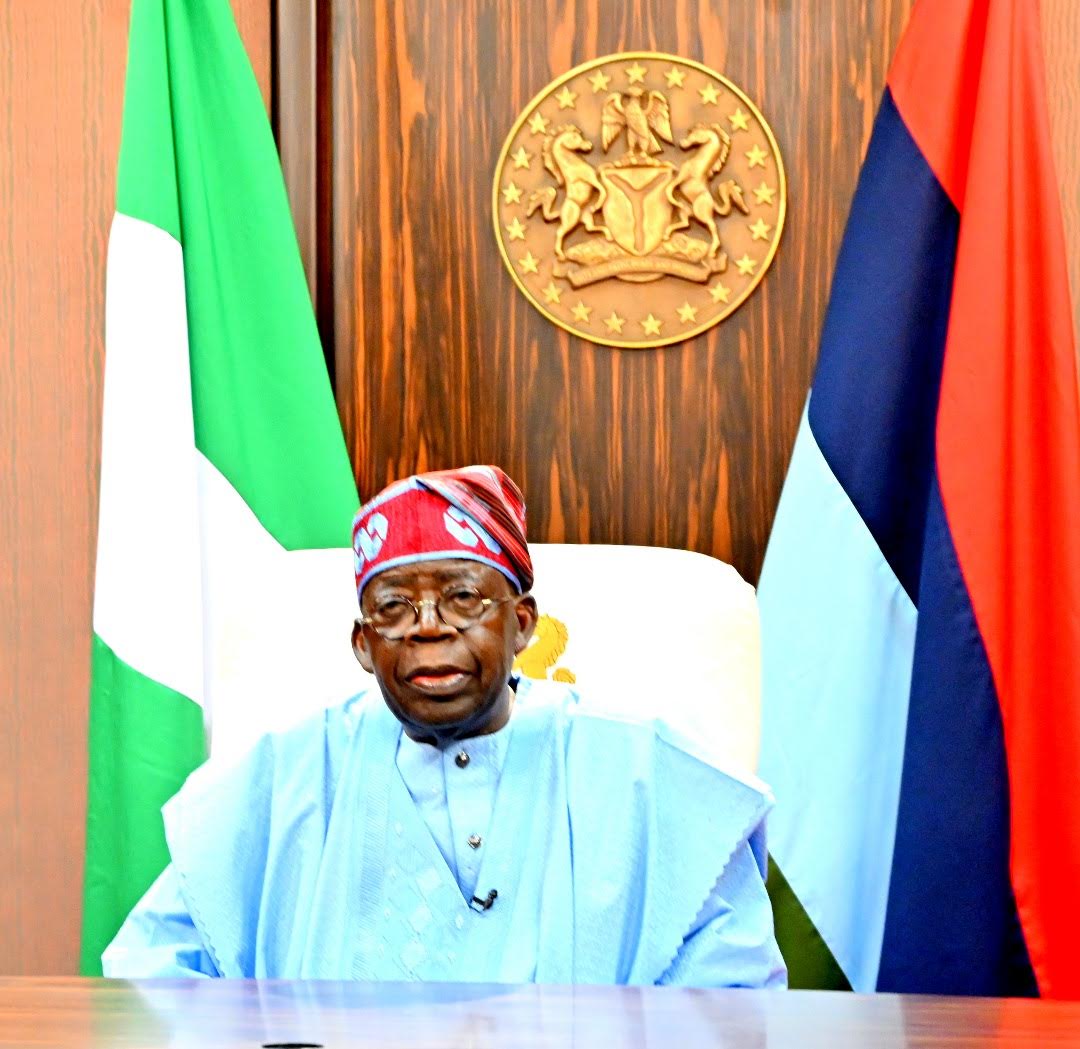
Stephen Ukandu, Umuahia
The major takeaways from President Bola Ahmed Tinubu’s speech to mark Nigeria’s 65th Independence anniversary on Wednesday include his claims of fast economic recovery, an increase in oil revenue, a fall in the inflation rate, and an infrastructural revolution.
The President claimed that his economic reforms were yielding dividends and said Nigeria’s most difficult economic period was behind it.
According to him, “the worst is over, and prosperity is near.”
Meanwhile, a critical analysis of the President’s speech reveals the following highlights:
1. Rise in GDP
President Tinubu said Nigeria’s GDP grew by 4.23% in the second quarter of 2025, while inflation eased to 20.12%, the lowest in three years.
Tinubu credited this to tough reforms, including the removal of subsidies and the unification of the exchange rate, which have redirected resources to the productive sector.
“Under our leadership, our economy is recovering fast, and the reforms we started over two years ago are delivering tangible results. The second quarter 2025 Gross Domestic Product grew by 4.23%—Nigeria’s fastest pace in four years—and outpaced the 3.4% projected by the International Monetary Fund. Inflation declined to 20.12% in August 2025, the lowest level in three years. The administration is working diligently to boost agricultural production and ensure food security, reducing food costs.
“In the last two years of our administration, we have achieved 12 remarkable economic milestones as a result of the implementation of our sound fiscal and monetary policies.
“We have attained a record-breaking increase in non-oil revenue, achieving the 2025 target by August with over ₦20 trillion. In September 2025 alone, we raised ₦3.65 trillion, 411% higher than the amount raised in May 2023.”
2. Stronger Reserves
The President said, “External reserves have risen to $42.03 billion, the highest since 2019, while Nigeria now records consistent trade surpluses.”
According to him, this shows growing investor confidence in the economy.
“We have a stronger foreign reserve position than three years ago. Our external reserves increased to $42.03 billion this September—the highest since 2019,” he said.
3. Fiscal Stability
The President noted that the debt service-to-revenue ratio has dropped from 97% in 2022 to below 50% today.
He explained that this gives the government more fiscal space to invest in health, education, infrastructure, and social welfare.
“We have restored fiscal health. Our debt service-to-revenue ratio has been significantly reduced from 97% to below 50%. We have paid down the infamous ‘Ways and Means’ advances that threatened our economic stability and triggered inflation.
“Following the removal of the corrupt petroleum subsidy, we have freed up trillions of naira for targeted investment in the real economy and social programmes for the most vulnerable, as well as all tiers of government.”
4. Oil & Energy Sector
Tinubu announced that crude oil production has increased to 1.68 million barrels per day. He also celebrated the resumption of domestic petrol refining after four decades, saying this will strengthen energy security and reduce dependence on imports.
“Oil production rebounded to 1.68 million barrels per day from barely one million in May 2023. The increase occurred due to improved security, new investments, and better stakeholder management in the Niger Delta.
“Furthermore, the country has made notable advancements by refining PMS domestically for the first time in four decades. It has also established itself as the continent’s leading exporter of aviation fuel.”
5. Infrastructure Drive
Tinubu said major projects, including the Lagos–Calabar Coastal Highway and the Kano–Maradi rail line, are progressing steadily.
He described these as transformative investments that will boost trade, jobs, and national connectivity.
6. Social Investments
He revealed that over ₦330 billion has been disbursed to eight million vulnerable households through the Social Investment Programme. He also highlighted YouthCred and Credicorp initiatives, designed to provide loans to households and young Nigerians.
7. Student Loans
More than 510,000 students have already benefited from the Nigerian Education Loan Fund, Tinubu said, describing it as a milestone in making higher education accessible regardless of background.
8. Security Gains
The President said security forces are reclaiming territories from terrorists and bandits, with displaced persons in the North-East and North-West gradually returning to their homes.
He assured Nigerians that the government remains committed to defeating insecurity.
9. Youth Empowerment
Tinubu praised the ingenuity of Nigerian youths, citing initiatives like iDICE, student loan schemes, and creative industry funds as deliberate efforts to empower the next generation of innovators and entrepreneurs.
He noted, “I have a message for our young people. You are the future and the greatest assets of this blessed country. You must continue to dream big, innovate, and conquer more territories in your various fields of science, technology, sports, and the arts and creative sector.
“Our administration, through policies and funding, will continue to give you wings to fly sky-high. We created NELFUND to support students with loans for their educational pursuits. Approximately 510,000 students across 36 states and the FCT have benefited from this initiative, covering 228 higher institutions. As of September 10, the total loan disbursed was ₦99.5 billion, while the upkeep allowance stood at ₦44.7 billion.”
10. Unity & Nationhood
The President paid tribute to Nigeria’s founding fathers, urging citizens to draw strength from their vision of unity and greatness.
President Tinubu appealed to Nigerians to embrace patriotism, support local production, and fulfil civic duties such as paying taxes to build a stronger nation.
