

Stephen Ukandu, Umuahia
The Federal Government and the United Nations Children’s Fund (UNICEF) have urged journalists to uphold ethical standards and prioritize the protection of children’s rights in their reportage.
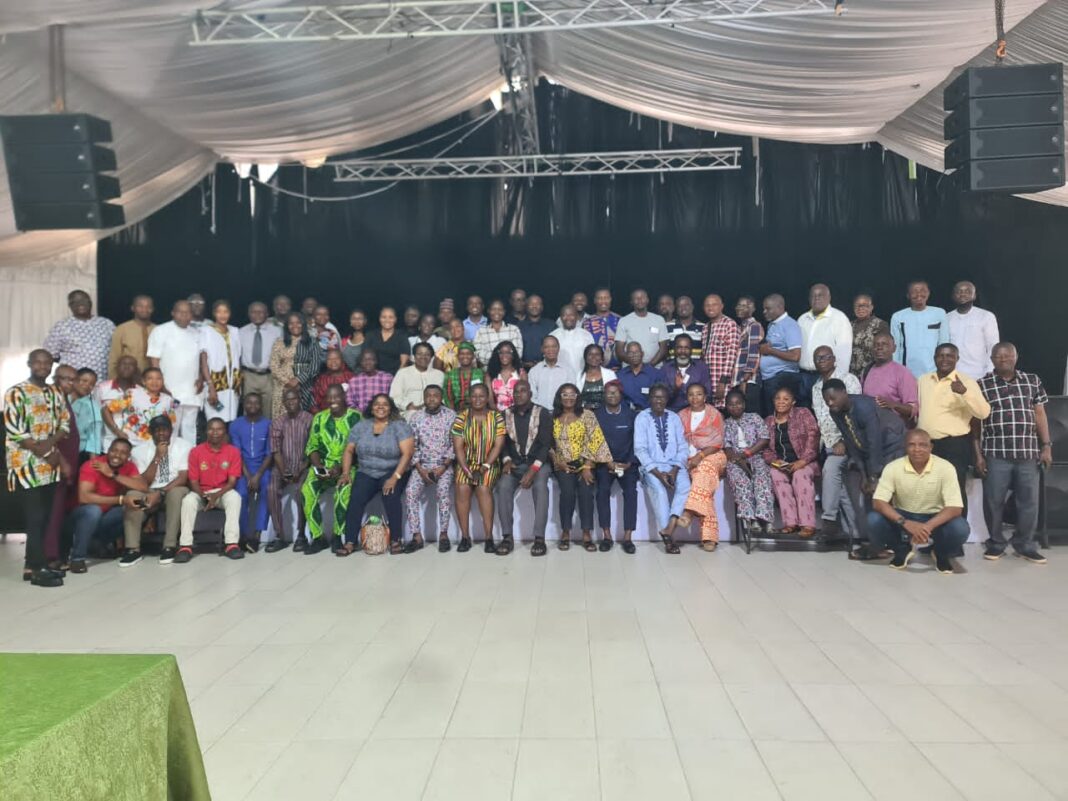
This was the central message at a two-day training for media practitioners from the South-East, South-South, and North-Central zones, held in Port Harcourt, Rivers State. The training was organized by the Federal Ministry of Information and National Orientation in collaboration with UNICEF.
Declaring the workshop open, the Permanent Secretary of the ministry, Mr. Ogbodo Chinasa Nnam, said the initiative was aimed at helping journalists reflect on their ethical obligations and adopt best practices in reporting issues affecting minors.
Represented by the Assistant Director and Head of the Child Rights Information Bureau (CRIB), Mr. Falayi Temitoye, the Permanent Secretary stressed that the media plays a critical role in shaping public attitudes and protecting vulnerable groups, especially children.
“When it comes to stories involving children, every image, every word, and every frame we publish can have lasting consequences on their lives, safety, and future,” he warned.
UNICEF Country Representative, Ms. Wafaa Saeed, represented by the Chief of Port Harcourt Field Office, Dr. Anslem Audu, described the media as a vital partner in amplifying children’s voices and drawing attention to their challenges.
She urged journalists to report children’s issues with sensitivity and integrity, noting that “ethical reporting builds trust, heals divisions, and protects the vulnerable.”
Delivering a lecture, Director of Special Programmes at the Nigerian Institute of Journalism (NIJ), Lagos, Dr. Jide Johnson, identified the lack of recreational facilities in schools as a violation of children’s rights.
He said sports and play are essential to children’s physical and mental development, lamenting that many private schools operate without playgrounds or open spaces.
Also speaking, media scholar, Mr. Lekan Sote, advised journalists to avoid identifying minors involved in sensitive cases such as rape, crime, or drug abuse, and to always protect their identities.
The training attracted media professionals from various states across the three participating zones.
