

Stephen Ukandu, Umuahia
About 75% of mental health challenges in Abia State are linked to substance abuse, including nkpuru mmiri and other narcotics, according to a recent study conducted by BanStopPrevent.
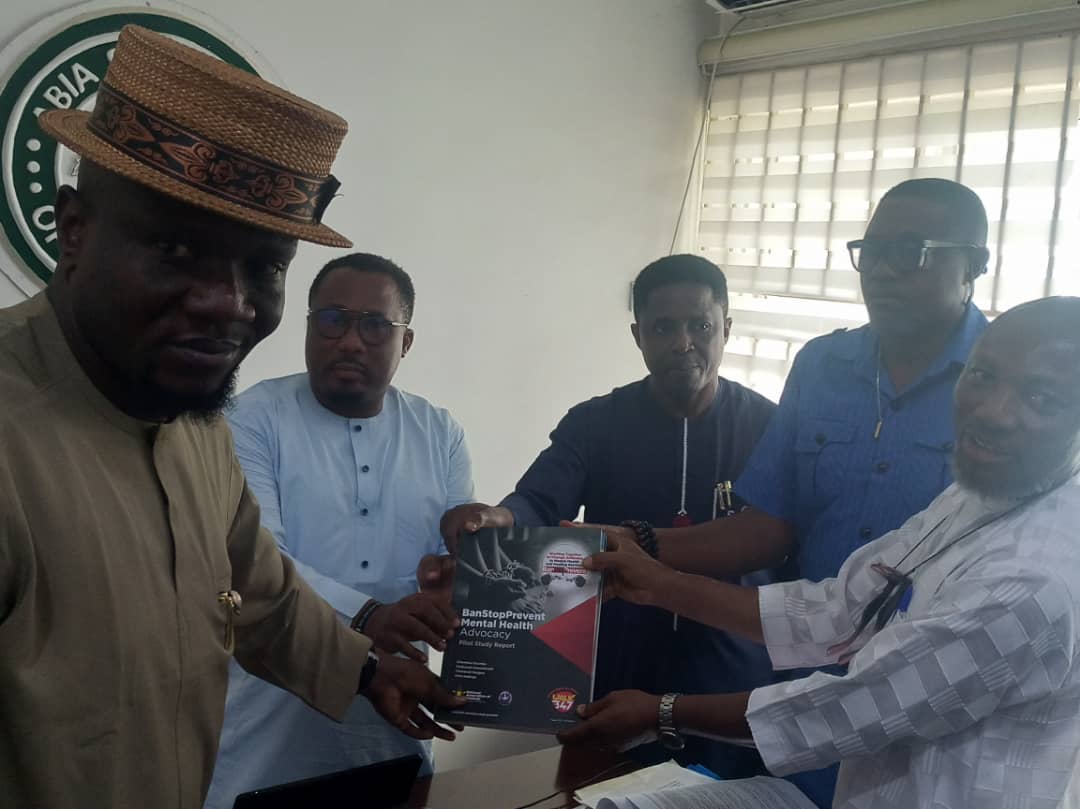
The research, carried out in Apumini, Mgbarakuma, and Nsukwe communities in Umuahia South Local Government Area, was presented on Tuesday to the Abia State House of Assembly Committee on Health by the team lead, Dr. Christian Abuajah.
Dr. Abuajah called for stricter measures against the production and distribution of hard drugs to curb their accessibility, warning that substance abuse continues to drive rising mental health cases across communities.
He explained that the study was aimed at deepening understanding of how local populations perceive, respond to, and manage mental health issues, as well as identifying opportunities to reform the health system for better mental health outcomes.
According to him, despite mental health being a critical component of public health, it remains under-researched and poorly prioritised in many regions.
“We aimed to understand local perceptions of mental health, document traditional and community-based care practices, and identify opportunities for policy and system reform that can strengthen community mental health responses,” he said.
The study revealed that mental health conditions such as depression, psychosis, and anxiety are still widely misunderstood in local communities, where they are often attributed to spiritual forces or moral failures instead of medical or psychosocial causes. This misconception, the report noted, contributes to delays in seeking appropriate treatment, as many people first turn to faith-based or traditional healers.
The report recommended integrating mental health services into primary healthcare and adopting a blended approach that combines spiritual, traditional, and orthodox treatments for more effective outcomes. It also called on the Abia State House of Assembly to domesticate and implement the National Mental Health Act (2021) in line with local realities.
Other recommendations included establishing community-based support systems for families affected by mental illness.
Responding, the Deputy Speaker of the Abia State House of Assembly, Rt. Hon. Austin Nmeregini, commended the research team for their effort and assured them that the House would give due attention to the recommendations. He expressed concern over the growing rate of substance abuse among youths and pledged the Assembly’s readiness to work with stakeholders to enhance mental healthcare in the state.
The Chairman of the House Committee on Health, Hon. Emeka Obioma, also lamented the increasing abuse of drugs by young people and reaffirmed the legislature’s commitment to providing a strong legal framework to combat the menace.
In his remarks, the Director-General of the Amudo Itumbuzo Integrated Foundation and Centre for the Mentally Deranged, Very Rev. Kenneth Nwubani, stressed that mental health is a right and should not be treated as an act of charity. He reiterated the centre’s readiness to partner with the government in the rehabilitation of mentally ill persons.
The study was supported by NAS Magna Carta in conjunction with Walk347 Hertfordshire County, UK.
