

Our Reporter, Abuja
The Rule of Law and Accountability Advocacy Centre (RULAAC) has called on the Nigerian government to clarify the legal basis and oversight arrangements governing reported United States airstrikes carried out on Christmas Day in parts of Sokoto State.
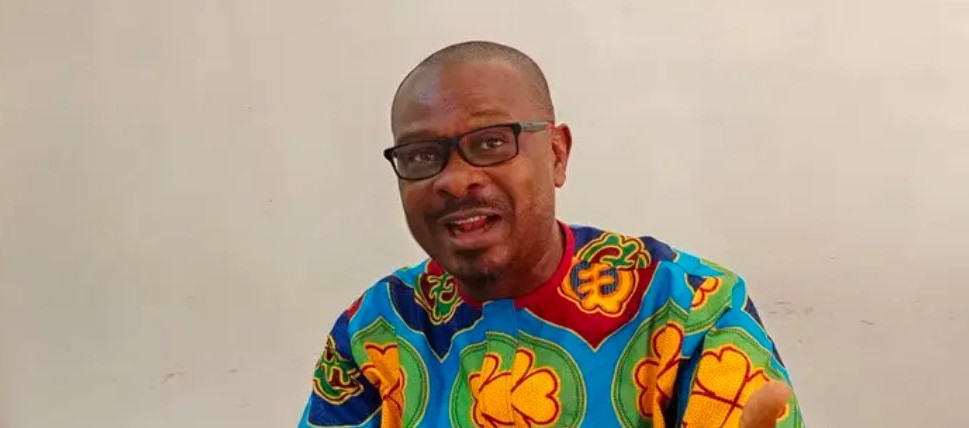
In a press statement issued by its Executive Director, Okechukwu Nwanguma, on Friday, the civil society organisation said it had taken note of reports and subsequent confirmations by U.S. and Nigerian authorities indicating that the airstrikes were conducted as part of counter-terrorism cooperation between the two countries.
While acknowledging the Nigerian state’s responsibility to protect lives and confront the threat posed by terrorist and violent extremist groups, RULAAC stressed that all security operations—particularly those involving foreign military forces and kinetic action on Nigerian territory—must comply with the rule of law, respect Nigeria’s sovereignty, and uphold human rights and civilian protection standards.
Concerns over legality and accountability
RULAAC expressed concern that conflicting narratives surrounding the Sokoto operation had created public uncertainty about its legal and procedural foundations. According to the organisation, democratic governance requires more than secrecy or after-the-fact assurances when it comes to security cooperation.
“The Nigerian public is entitled to clarity,” RULAAC said, “on the legal framework authorising foreign military involvement in kinetic operations on Nigerian soil, the nature and scope of Nigeria’s consent and control, the safeguards to prevent civilian harm, and the accountability mechanisms in place should violations occur.”
The group warned that security effectiveness cannot override the requirements of legality, transparency, and accountability, noting that these principles are essential to maintaining public trust.
Governance, not just military action
RULAAC reiterated its long-held position that Nigeria’s protracted insecurity is rooted in governance failures, weak justice systems, and a lack of accountability. According to the organisation, violent groups continue to operate because those who sponsor, finance, or enable them are rarely investigated or prosecuted, while law enforcement institutions remain weak or compromised.
“Foreign airstrikes, even when described as precise or intelligence-led, cannot substitute for professional policing, effective prosecutions, institutional reform, and strong civilian oversight of security agencies,” the statement said.
Emphasis on Civilian Protection
The organisation also underscored the importance of civilian protection in counter-terrorism efforts, warning that operations which risk civilian harm or heighten fear among local communities could undermine long-term security objectives.
RULAAC further cautioned against framing Nigeria’s security challenges in religious or ideological terms, arguing that the crisis should not be portrayed as a conflict between faiths. Instead, it described the situation as a struggle between impunity and justice, and between unaccountable power and the rule of law.
Calls to Government
RULAAC urged the Nigerian government to publicly clarify the legal and institutional framework governing foreign military involvement in counter-terrorism operations, ensure full civilian oversight of all security cooperation arrangements, and prioritise investigations and prosecutions of individuals and networks that finance or facilitate terrorism.
The group also called for stronger, rights-respecting policing and community-based security measures as the foundation for sustainable peace.
“Nigeria does not need security solutions that weaken sovereignty or sidestep accountability,” the statement concluded.
“Lasting security will only be achieved through lawful governance, institutional reform, and justice for victims.”
