

Our Reporter, Abuja
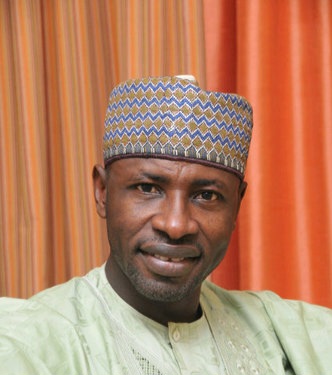
The National Coordinator of the Obidient Movement Worldwide, Dr. Yunusa Tanko, has dismissed claims that the Obidient movement is divisive, describing such accusations as a tactic by politicians who fear accountability.
In a statement issued on Monday, Tanko who was apparently reacting to the spokesman of African Democratic Congress (ADC), Bolaji Abdullahi, said attempts to portray Obidients as a source of division fundamentally misrepresent the movement’s origins and objectives. According to him, the movement did not arise from extremism or intolerance, but from widespread frustration over poor governance, rising poverty, institutional decay, and the exclusion of ordinary Nigerians from the political process.
He noted that millions of Nigerians, particularly young people, became politically active not to divide the country, but to demand an end to recycled leadership and unfulfilled promises.
Tanko also defended the participation of Obidients in the African Democratic Congress (ADC) coalition, arguing that coalitions are meant to broaden ideas, encourage debate, and strengthen alternatives in a democratic system.
“Joining a coalition does not require silence or blind loyalty,” he said, adding that effective coalitions should welcome scrutiny, accountability, and diverse viewpoints. He warned that any coalition afraid of questioning voices is ill-prepared to govern a complex society like Nigeria.
Emphasizing the role of passion in democratic engagement, Tanko said reform-driven movements are often vocal because they are motivated by conviction rather than political patronage. He further argued that Nigeria has historically tolerated more aggressive and exclusionary political followings, making the current criticism of Obidients appear selective.
He rejected the portrayal of the movement as a rigid or monolithic group, describing Obidients as a diverse mix of professionals, traders, students, civil servants, and Nigerians from different regions and religious backgrounds, united by demands for transparency, competence, and accountable leadership.
Tanko also dismissed claims that Obidients could harm electoral prospects, insisting that elections are determined by organization, alliances, credibility, and leadership, not by vocal online supporters.
“Blaming engaged citizens for political failure is an easy distraction from the harder work of governance,” he said.
Reaffirming the movement’s political direction, Tanko declared that its commitment to the realization of a Peter Obi presidency remains “unshakable,” describing it as the clearest path to national renewal, economic recovery, and accountable governance.
As Nigeria approaches what he called a defining national moment, he urged citizens to remain united, resolute, and focused in the pursuit of better leadership.
