

Our Reporter, New York
An anti-genocide activist, Franc Utoo, has alleged that those responsible for the June 2025 attack on the Yelwatta community, in which more than 270 people were killed, are known to both locals and authorities, but that the Nigerian government lacks the sincerity to bring them to justice.
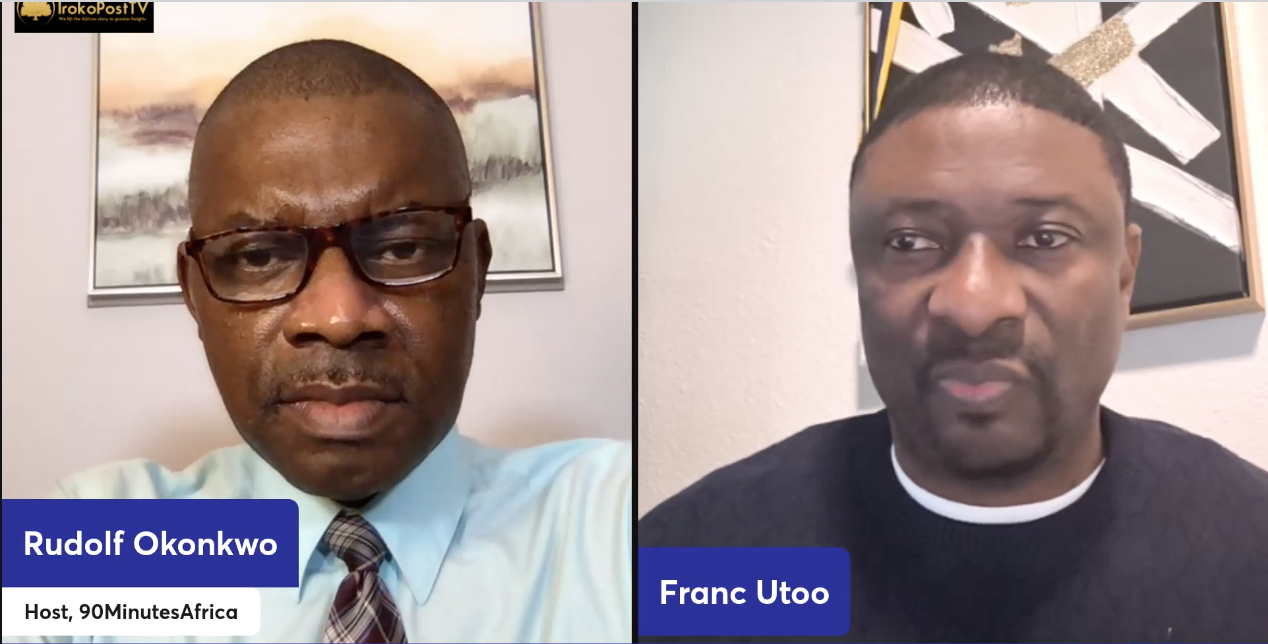
Speaking during an interview with journalist Rudolf Okonkwo on 90MinutesAfrica on Saturday, Utoo claimed that the assailants were Fulani fighters who came mainly from neighbouring Nasarawa State.
According to him, while some fighters were brought in from other locations, the operation was allegedly led by individuals he identified as Babaji, described as a Fulani leader in the Kadonko axis of Nasarawa State, and another figure known as Seriki Samari, whom he characterised as a vicious French-speaking Fulani fighter.
Utoo further alleged that the attackers stopped at a nearby community, a few kilometers from Yelwatta, where they reportedly observed prayers for about an hour before proceeding to carry out the deadly raid. He insisted that the identities of those behind the attack are not a mystery, arguing that the real challenge lies in what he described as the government’s unwillingness to act decisively.
“We know these people,” Utoo said during the programme.
“The problem is the sincerity of the government. These people are obviously not working alone. They are sponsored by oligarchs, from politicians to emirs, and that is why it is difficult to arrest them.”
Beyond the Yelwatta killings, the lawyer also criticised recent comments by the Catholic Bishop of Sokoto Diocese, Reverend Matthew Hassan Kukah, whom he accused of downplaying what he described as the systematic targeting of Christians in parts of northern Nigeria. Utoo said he was disappointed by what he perceived as a shift in Kukah’s public stance compared to positions that the cleric took about a decade ago.
According to him, Reverend Kukah had previously warned of the risk of extermination facing Christian communities in the North, but has now adopted a more politically cautious tone because of his closeness to President Bola Ahmed Tinubu. He suggested that political considerations, including reported discussions within the ruling party about Kukah as a potential vice-presidential nominee, may be influencing the bishop’s public statements.
Utoo questioned the appropriateness of the serving Catholic bishop being publicly touted as a consideration in partisan political calculations, arguing that it casts doubt on the neutrality of his recent interventions on national security and religious violence.
Barrister Utoo’s allegations not only raise serious questions about the role of security agents in managing the conflicts in the Middle Belt region but also call out the willingness of the government to bring perpetrators of acts of violence in the region to book.
