

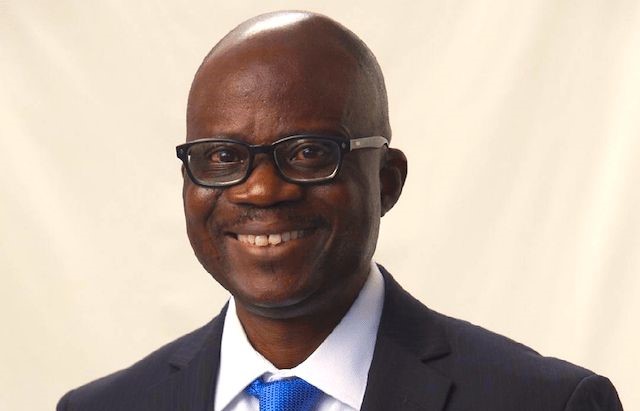
By Mukaila Kareem
The human body is not a sealed container. It is an open system, more like a small, steady fire than a closed box. Every day, energy flows in through the food we eat and flows out as heat. This constant movement of energy is not optional but how life is sustained. Health therefore depends on keeping this flow moving.
When the body turns food into energy, heat is always produced. Roughly 40 percent of that energy is captured as ATP to power muscles and organs, while the rest is released as heat. Some of this heat helps keep us warm, but whatever is not needed must be released through the skin, breathing, and circulation. This happens automatically, every minute of the day. The fire is always burning, and the body is always letting heat escape.
Calories are therefore burned constantly, even during sleep, because the body never truly rests. The brain keeps thinking, the heart keeps pumping, and the organs keep working, all of which produce heat. Movement, then, is not mainly about burning calories, but about helping the body release the heat that constant living creates.
Muscles act like chimneys for the body’s internal fire. When we walk, stand, stretch, or shift positions, those chimneys stay open. Metabolism thrives on flow, and as heat is exported smoothly, energy moves freely through the system. When we sit for long periods, however, the chimneys begin to close. The fire keeps burning, but the smoke has fewer ways to escape.
During prolonged sitting, the body continues to produce heat because the organs, thankfully, never stop working. What changes is not heat production but heat release. Movement helps warm blood circulate toward the skin, where excess heat can escape. When we sit for too long, this circulation slows and heat lingers inside the body. To stay safe, the body quietly turns down its internal flame, lowering energy use so heat and metabolic waste do not build up too quickly.
This protective slowdown shows up in everyday life as fatigue, sluggishness, feeling cold, and low motivation. It is often mistaken for aging or lack of willpower. In reality, this is the body adapting to a low-movement environment by conserving energy to avoid both overheating and internal overload. In the short term, this keeps the body stable, but over months and years it leaves people feeling drained, heavy, and stuck.
When the body struggles to release heat while energy continues to flow in, problems do not appear suddenly but build gradually over time. Fuel that is not burned is redirected into storage, especially around the abdomen and internal organs, while blood sugar remains elevated longer after meals and insulin is forced to work harder to keep things under control. As this pattern repeats day after day, fat accumulates in the liver, blood vessels lose flexibility, blood pressure begins to rise, and low-grade inflammation settles into the background.
Ultimately, what often begins as fatigue or sluggishness slowly evolves into obesity, type 2 diabetes, heart disease, joint pain, and even problems with memory and concentration. These conditions are usually treated as separate illnesses, yet they share a common origin in a body designed for movement that has been held still for too long.
This is also why exercise should not be viewed primarily as a tool for weight loss. Living already burns calories. Exercise does not start calorie burning; it helps the body manage the heat and energy that living constantly produces. Weight loss, when it happens, is a side effect of restoring flow, not the primary purpose of movement.
This is why simple movement matters so much. Walking, standing, and regular motion reopen the chimneys. They let heat escape, clear leftover fuel, restore energy, and bring the body back into balance. Unlike plants, humans must move; movement is basic maintenance for an open system designed for motion. Prolonged sitting turns a clean-burning fire into a smoky one. Daily movement lets the fire burn steady, warm, and clean.
Exercise is medicine and this is how it works: eating imports energy, movement exports heat, and health depends on keeping both in motion.
Mukaila Kareem, a doctor of physiotherapy and physical therapy advocate, writes from the USA and can be reached via makkareem5@gmail.com
