

Stephen Ukandu, Umuahia
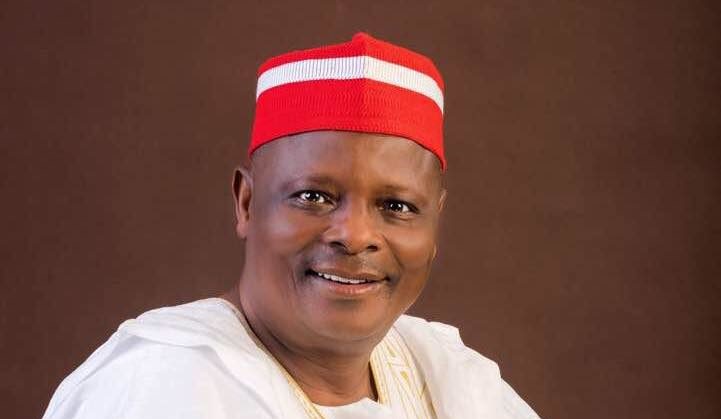
Five members of the United States Congress have introduced a bill proposing visa restrictions and asset freezes against former Kano State governor, Rabiu Musa Kwankwaso, the Miyetti Allah Cattle Breeders Association of Nigeria (MACBAN), and other individuals and groups over alleged severe violations of religious freedom, including the persecution of Christians in Nigeria.
The proposed legislation, titled Nigeria Religious Freedom and Accountability Act of 2026, was sponsored by Representatives Chris Smith, Riley Moore, Brian Mast, Mario Diaz-Balart, and Bill Huizenga.
If passed into law, the bill would require the US Secretary of State to submit regular reports to Congress assessing Nigeria’s compliance with international religious freedom obligations and outlining steps taken to protect vulnerable communities.
The lawmakers said the bill would also mandate consideration of targeted sanctions, expanded humanitarian assistance, and revised security cooperation frameworks aimed at ending impunity for perpetrators of religious violence and strengthening protections for affected populations.
Citing reports and estimates, the sponsors claimed that between 50,000 and 125,000 Christians were killed in Nigeria between 2009 and 2025, while more than 19,000 churches were destroyed during the same period.
They referenced major incidents such as the Yelwata attacks, the Christmas Eve massacres of 2023 and 2024, and the Holy Week and Easter attacks of 2024 and 2025, which they said resulted in over 9,500 deaths—mostly Christians—and displaced more than half a million people.
According to the Open Doors 2026 World Watch List, Nigeria accounts for 72 per cent of Christians killed worldwide, the lawmakers noted.
They also highlighted individual cases, including those of Rhoda Jatau and Deborah Yakubu, who were victims of mob violence, imprisonment, or death over alleged blasphemy, stressing that perpetrators are rarely brought to justice.
The sponsors praised former US President Donald Trump for what they described as a “just” decision to redesignate Nigeria as a Country of Particular Concern (CPC), arguing that successive Nigerian governments have failed to adequately prevent or respond to religiously motivated violence and have tolerated widespread impunity.
Under the bill, the US Secretary of State would be required to determine whether certain Fulani-ethnic militias in Nigeria meet the criteria for designation as Foreign Terrorist Organisations (FTOs).
The legislation also directs the US Departments of State and Treasury to consider imposing Global Magnitsky sanctions, including visa bans and asset freezes, on individuals and entities implicated in severe religious freedom violations.
A section of the bill states that humanitarian assistance, co-funded by the Nigerian government, should be delivered through trusted civil society and faith-based organisations, particularly in Nigeria’s Middle Belt.
Specifically listed for potential sanctions are: Fulani-ethnic nomadic militias in Nigeria; Rabiu Musa Kwankwaso, former governor of Kano State; Miyetti Allah Cattle Breeders Association of Nigeria (MACBAN); and Miyetti Allah Kautal Hore.
The legislation also calls for collaboration with international partners, including France, Hungary, and the United Kingdom, to promote religious freedom, accountability, and lasting peace in Nigeria.
The lawmakers warned that future US–Nigeria relations would depend largely on Abuja’s response to the allegations, noting that Nigeria could play a critical stabilising role in the Sahel and deepen ties with Washington if it takes concrete steps to curb persecution and protect vulnerable communities.
